


TERRAFORM the exhibition
As part of Melbourne Design Week 2026, Ford Design invites visitors into an immersive exhibition exploring the transformative role of automotive design in shaping future possibilities. Drawing inspiration from the new Ford Ranger Super Duty design, the exhibition presents sketches, sculptural forms, material studies, and interactive media that showcases creative thinking, innovation and the many skills involved in the design process at Ford Design Melbourne.
The works reflect how the Australian landscape and terrain has informed and inspired the studio’s creative approach, connecting natural forms and environments with the geometry and robustness of design. Through heritage boards, concept drawings, prototypes, and immersive installations, audiences will encounter a curated journey that links local craftsmanship with global innovation.
Hosted in a Collingwood studio‑gallery space, Terraform offers a dynamic environment where design history, material experimentation, and immersive storytelling converge. It is not a product showcase, but a creative exploration of how design thinking—shaped by place and process—can influence the world we want to create.
Date
Friday 15 May - Friday 22 May 2026
(Closed Sunday 17 May)
Time
10am - 4pm
Location
Second Story Studios
222 Johnston St, Collingwood VIC 3066
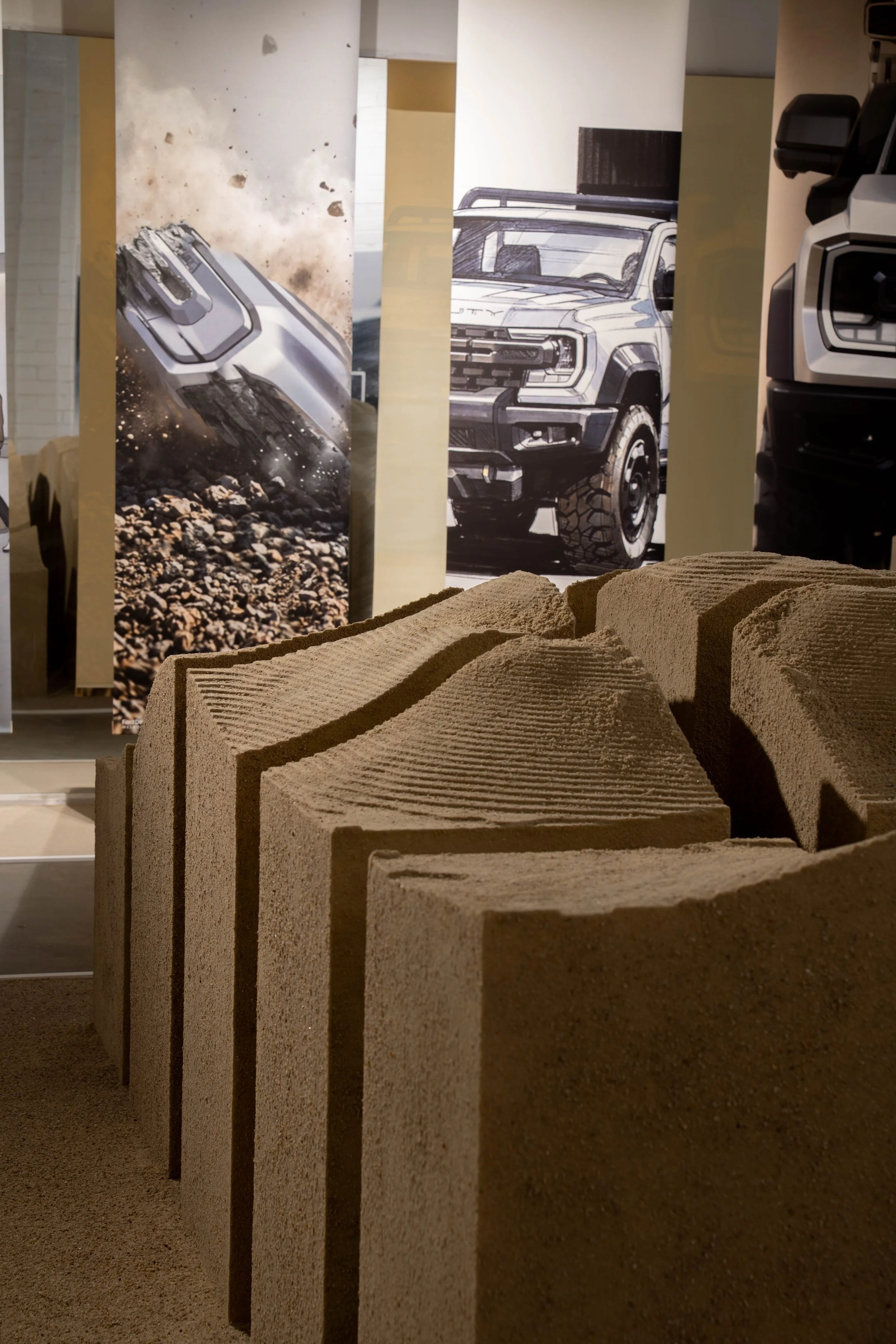
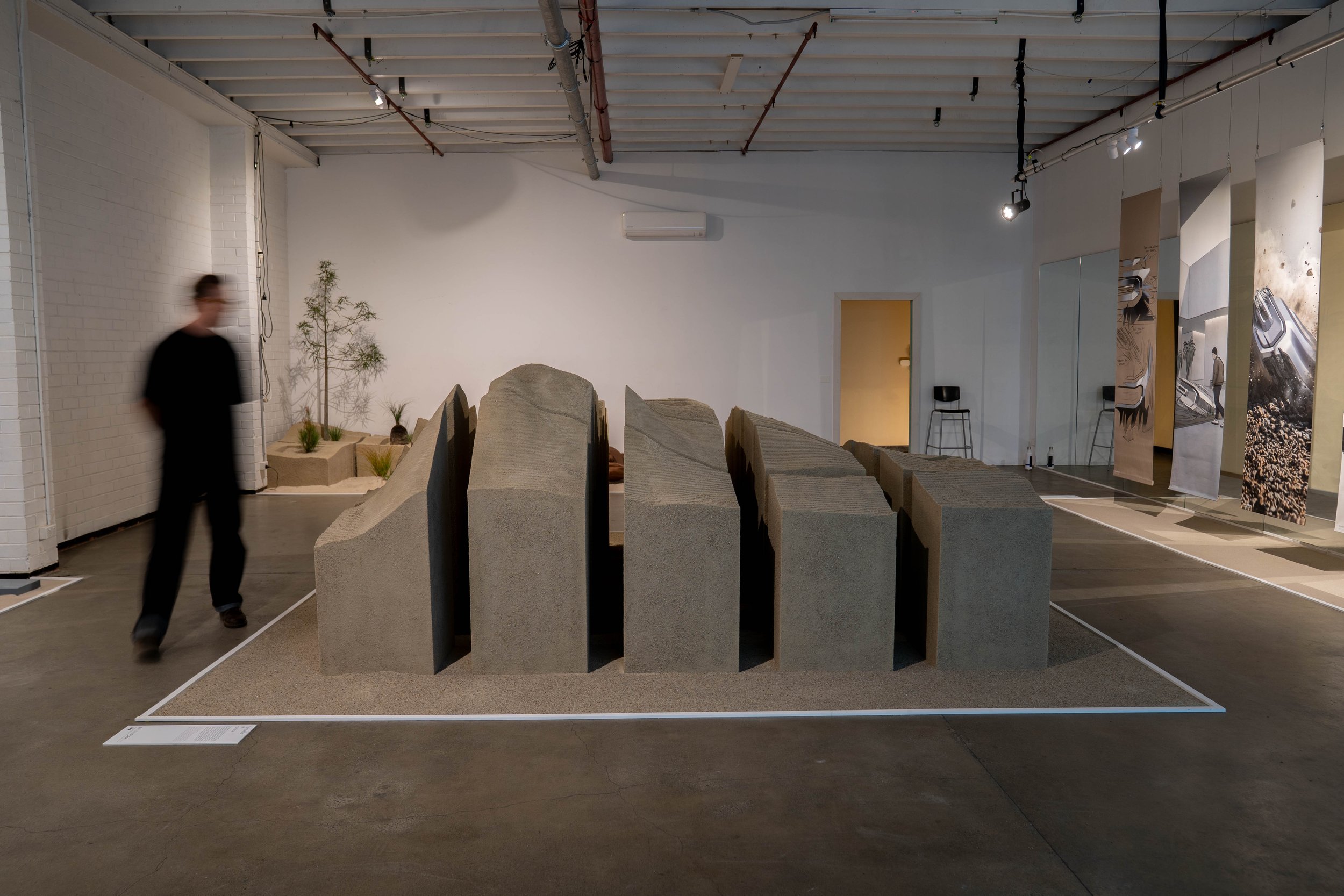
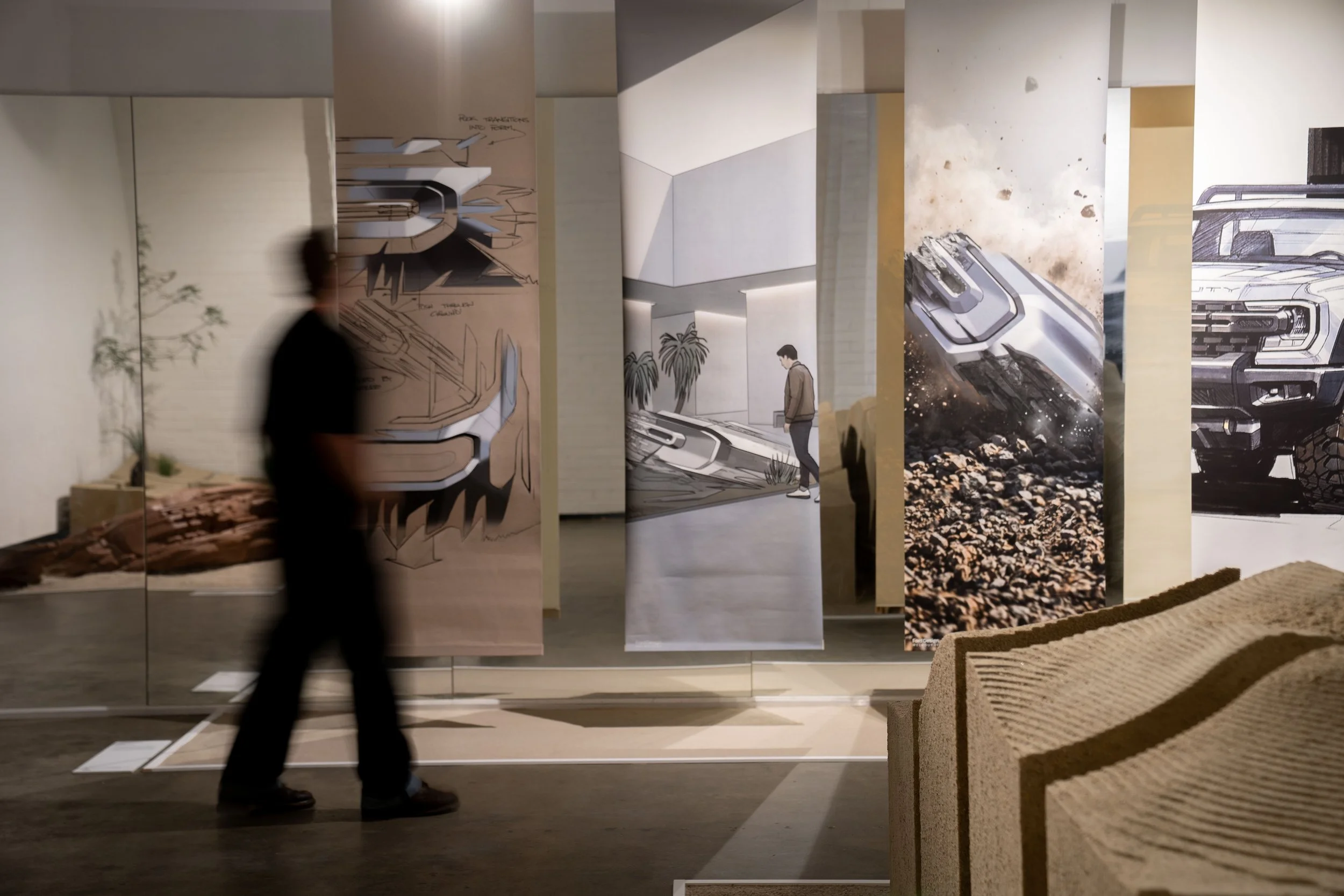
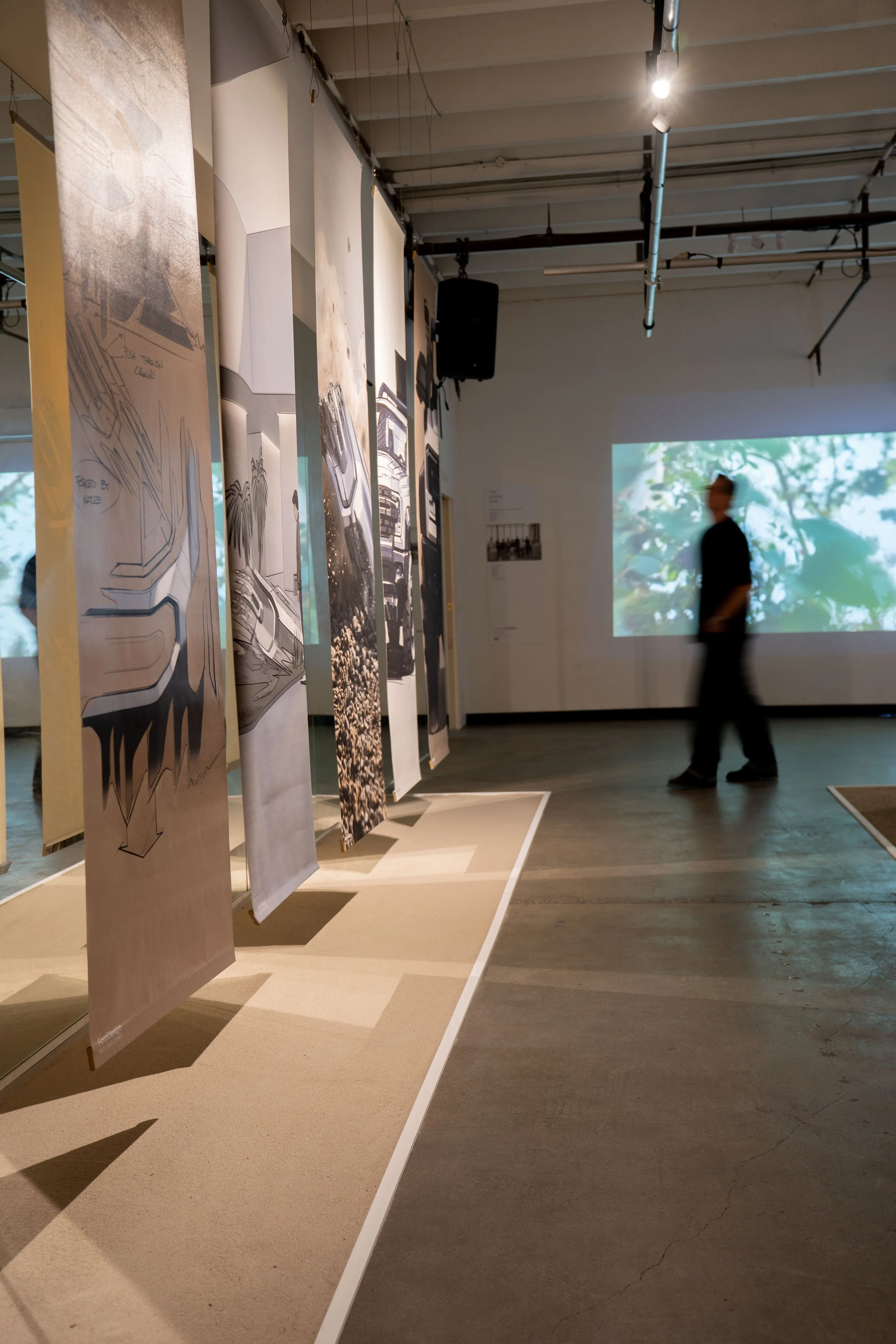
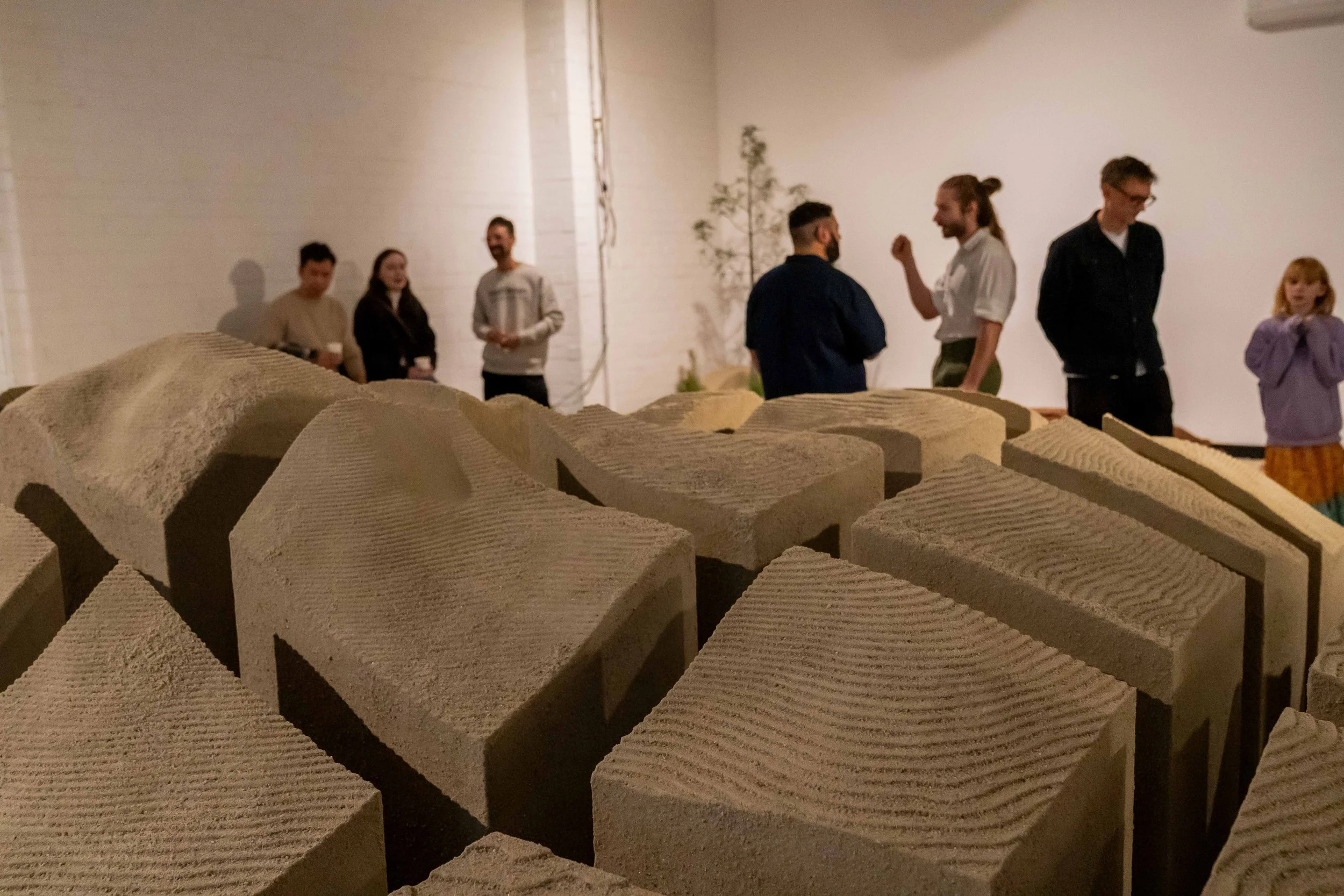
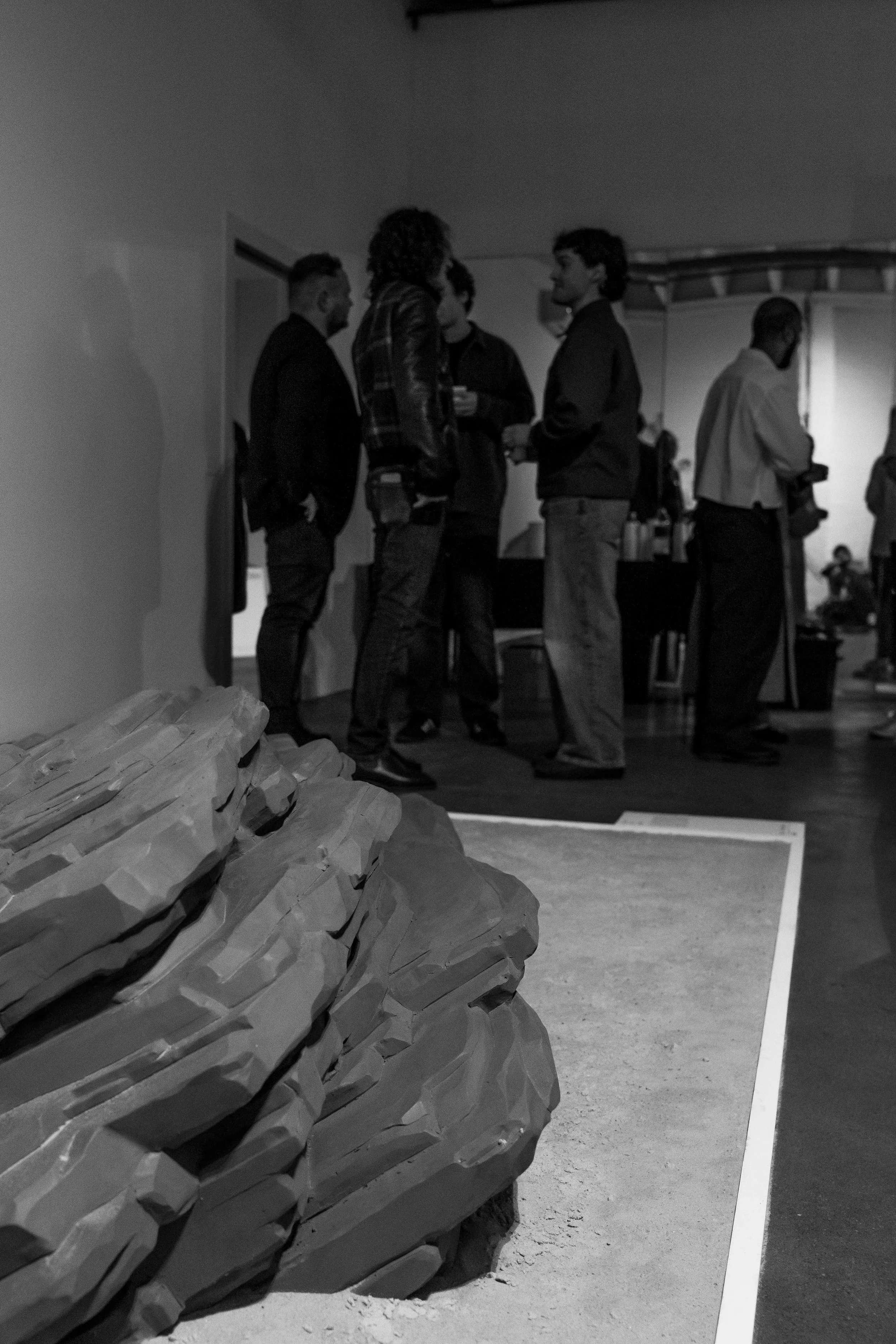
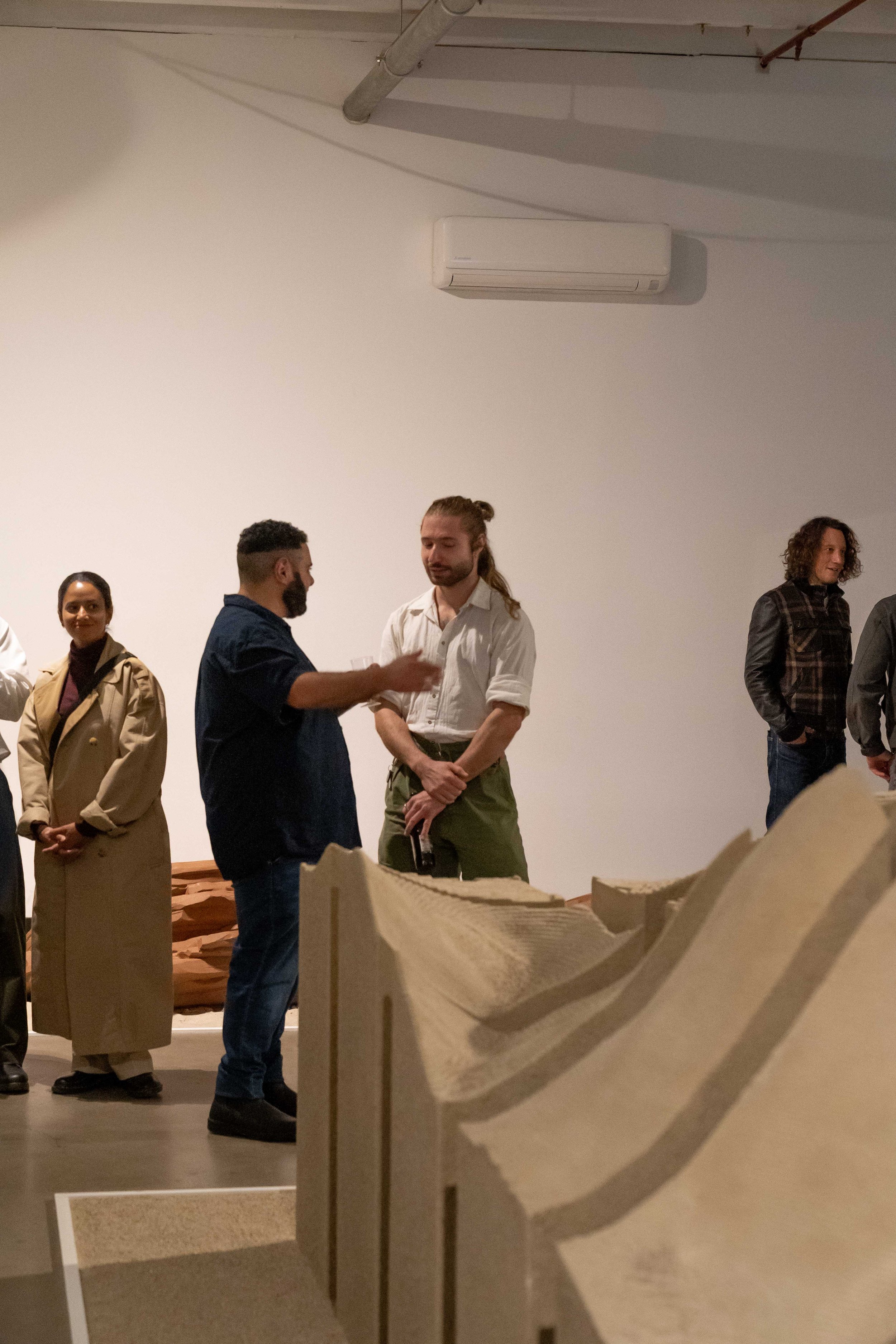
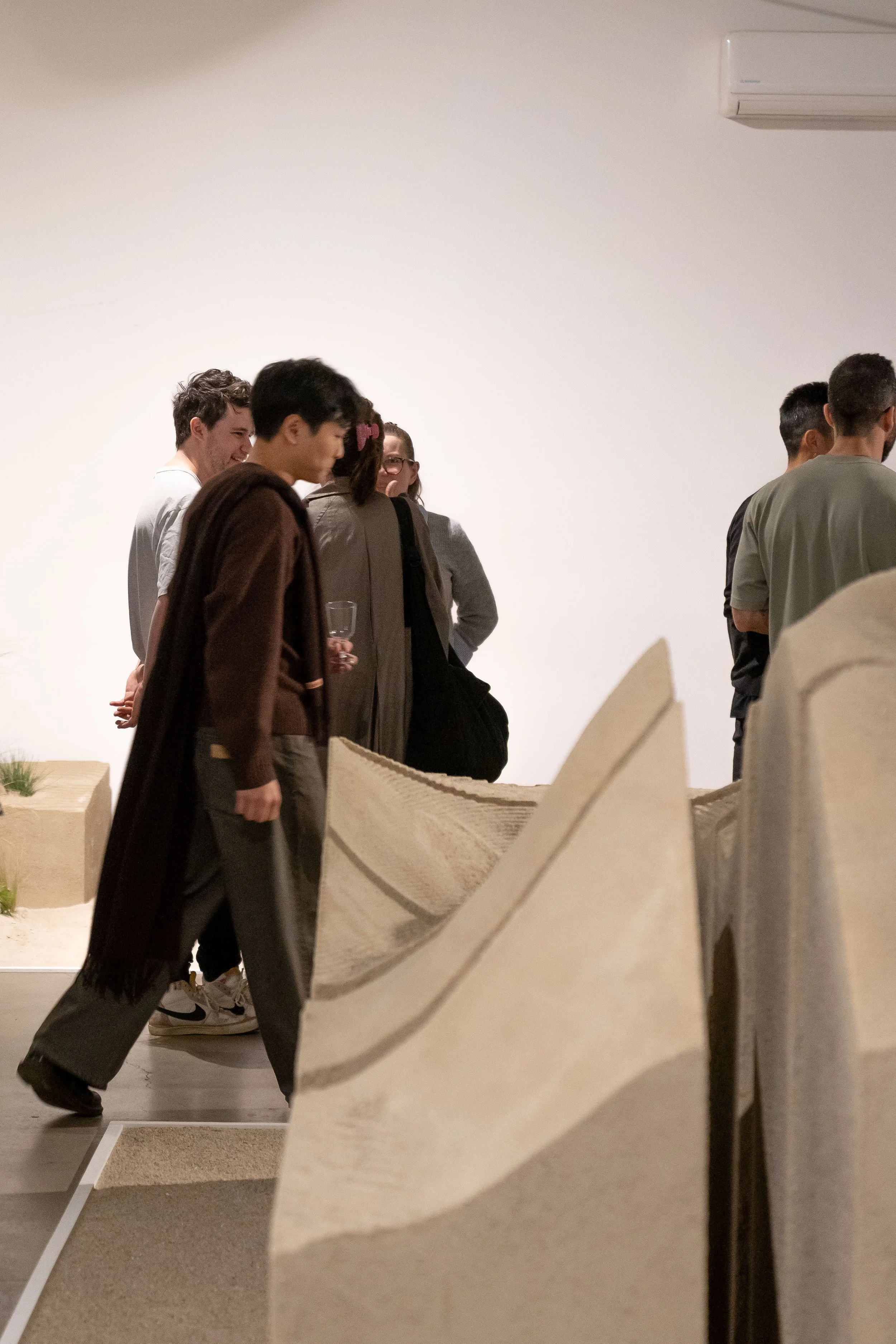
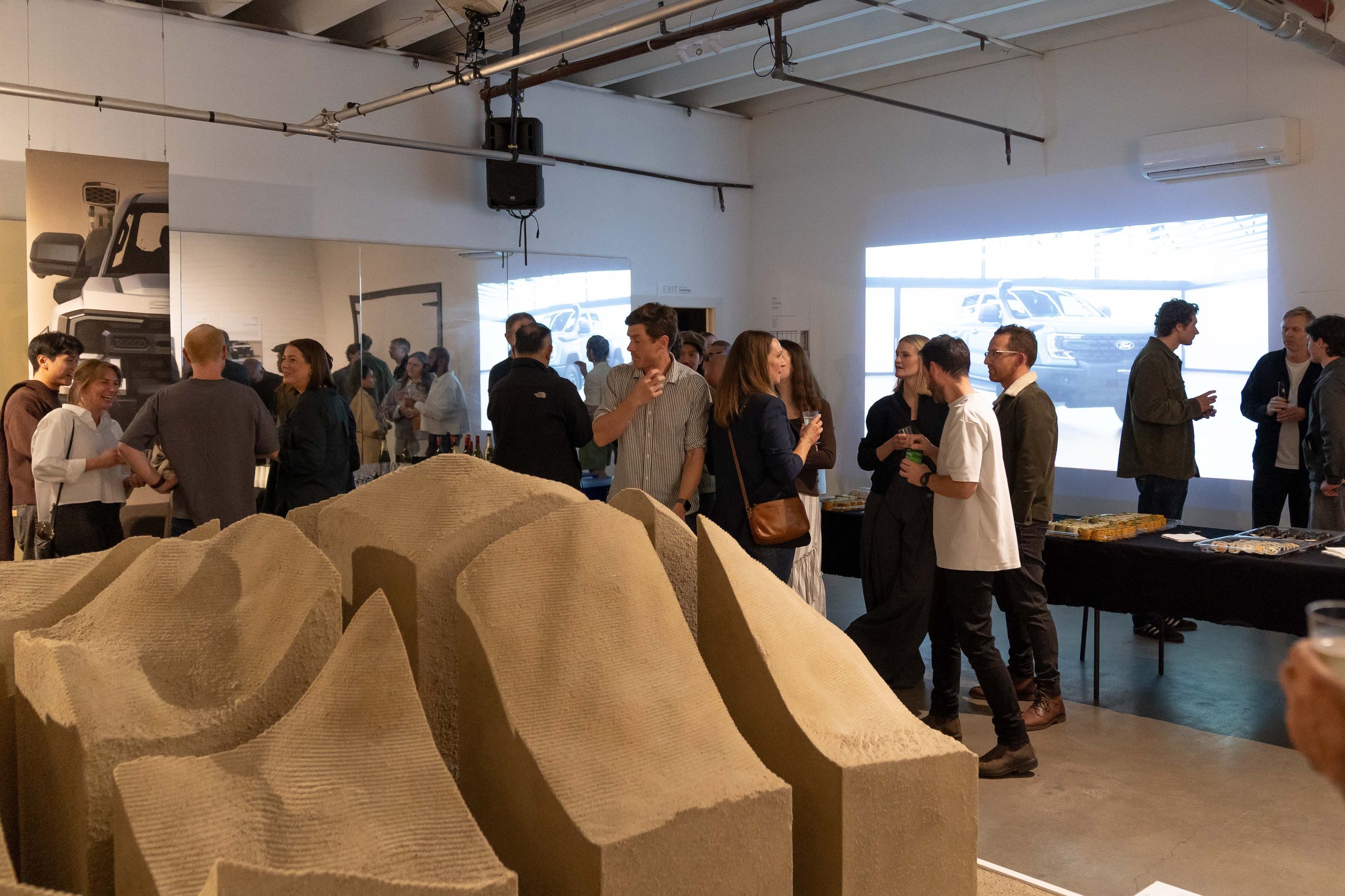
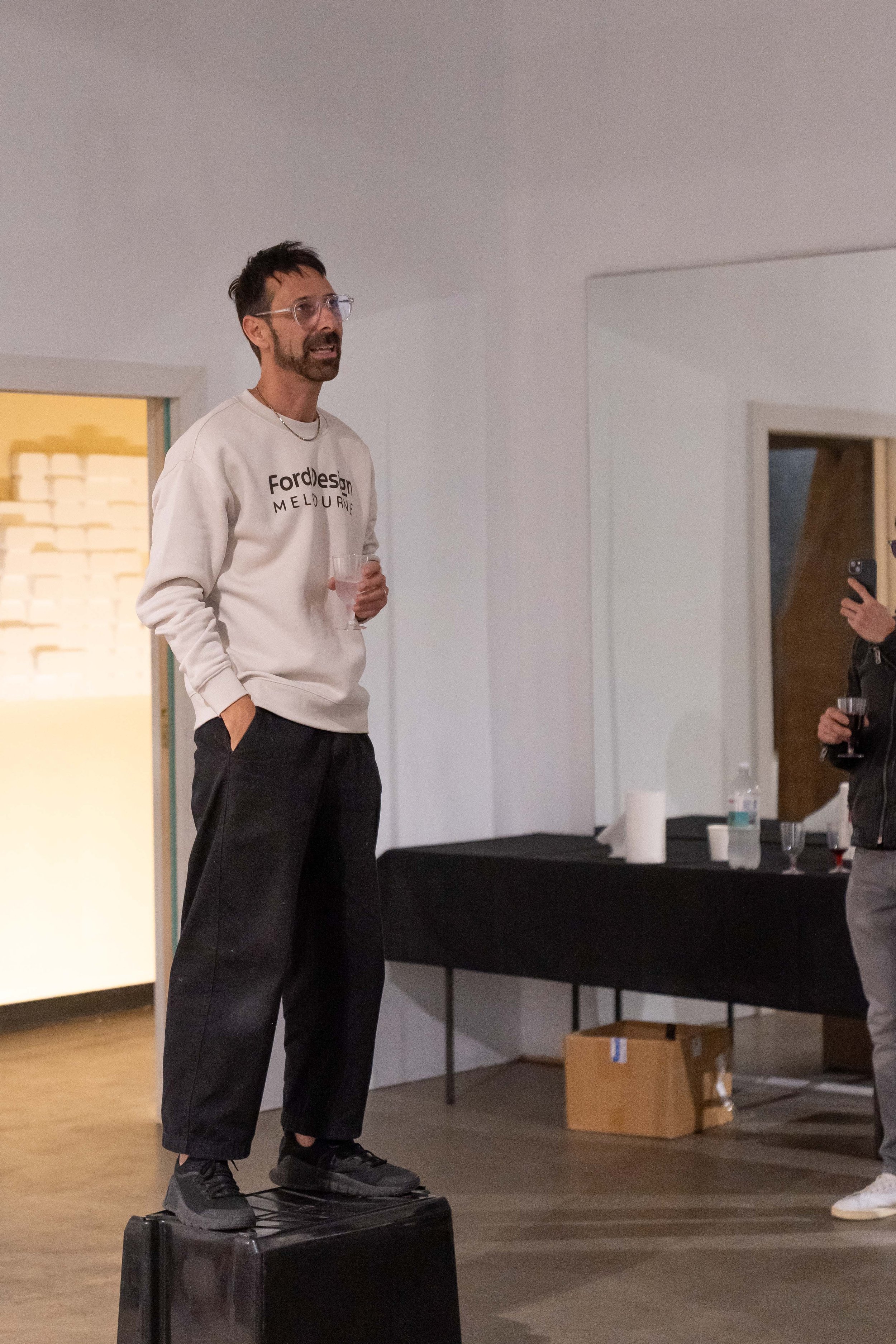
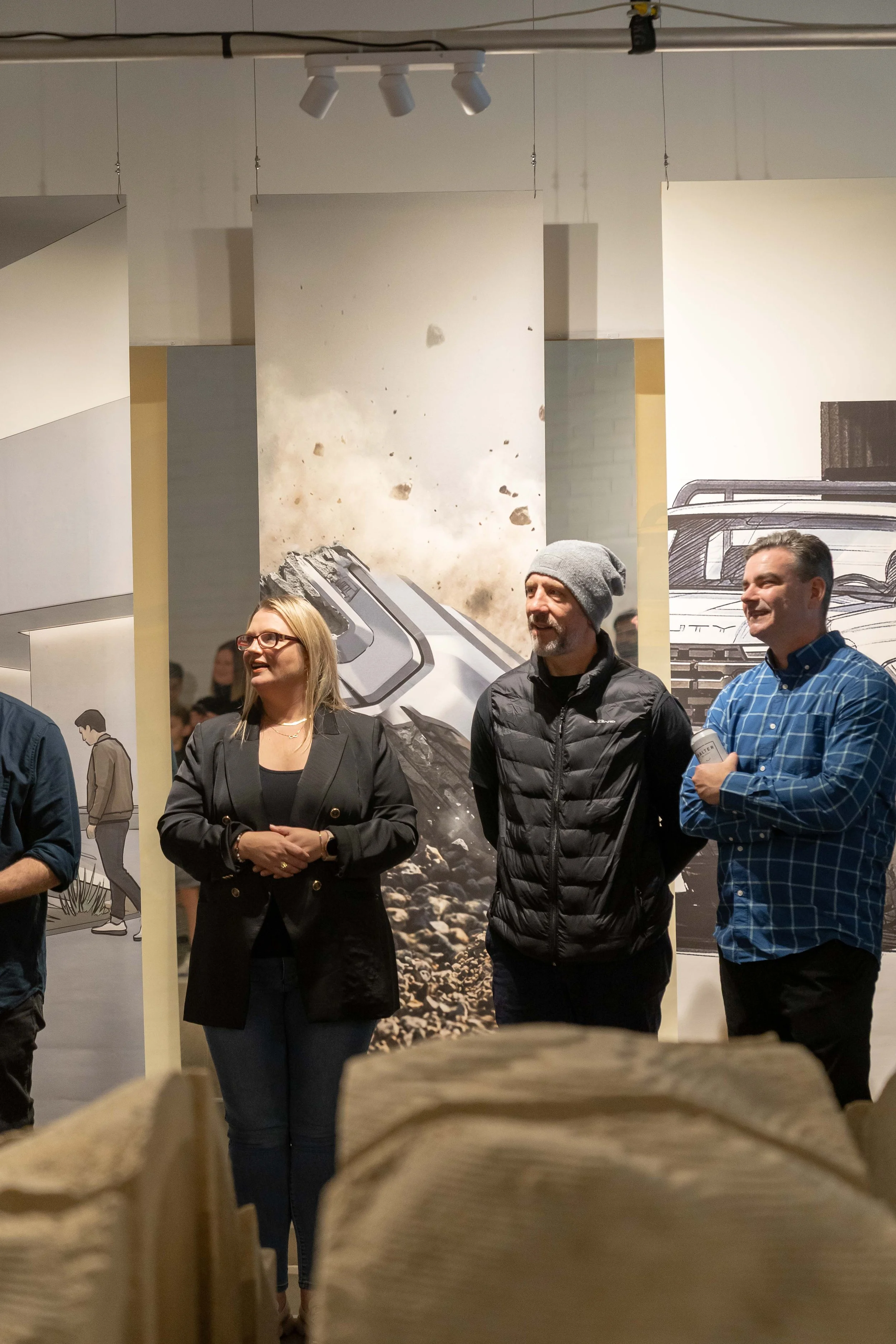
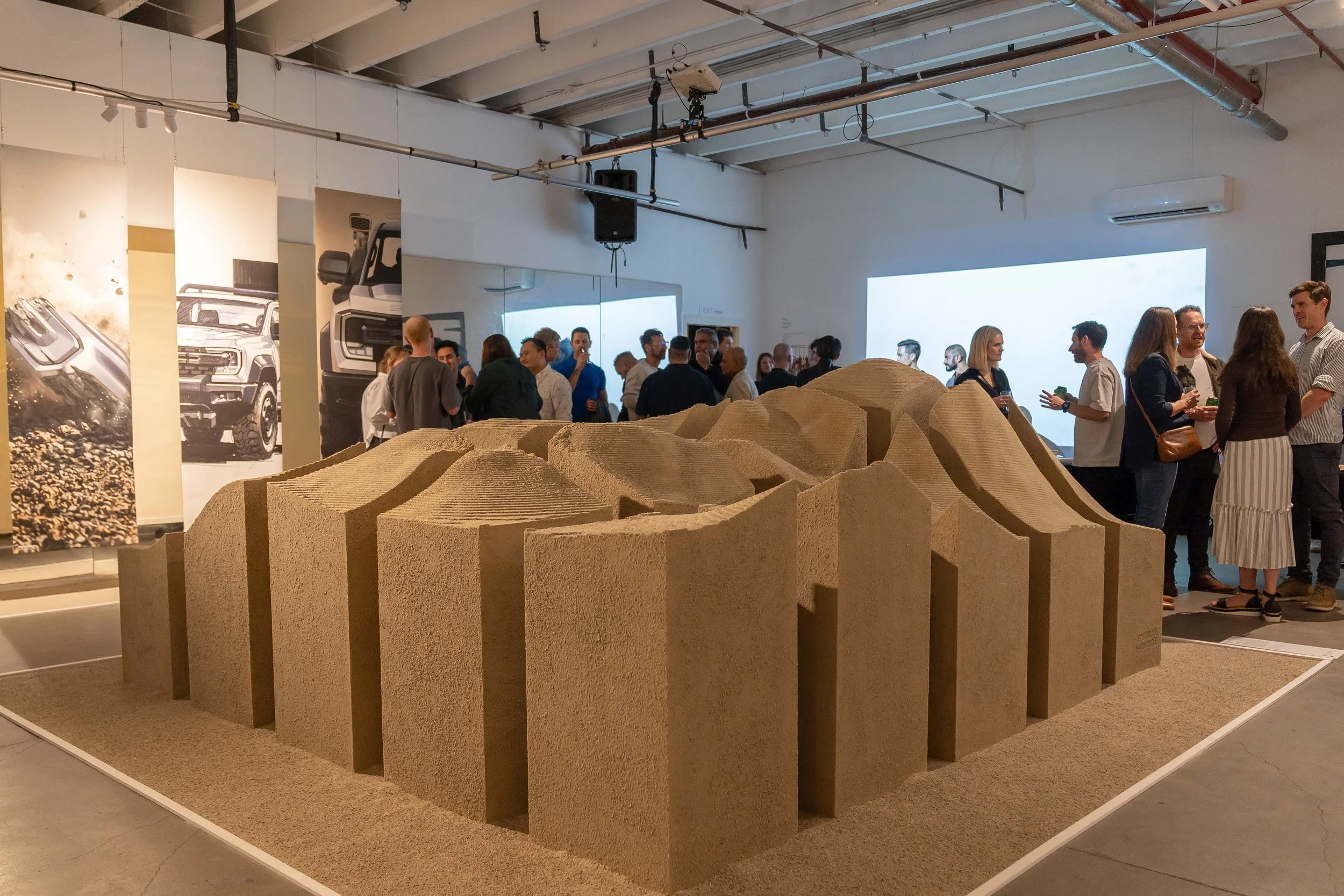
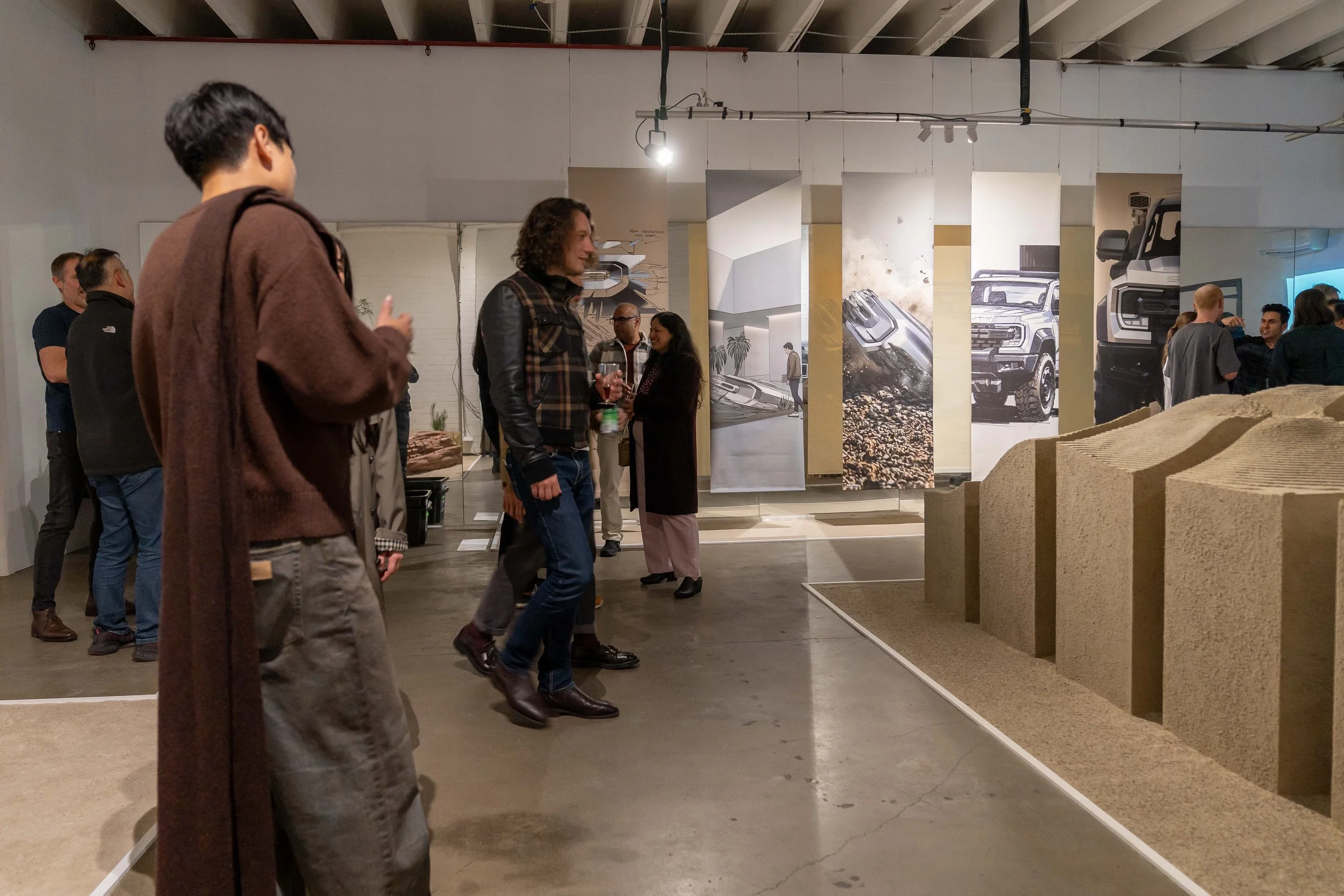
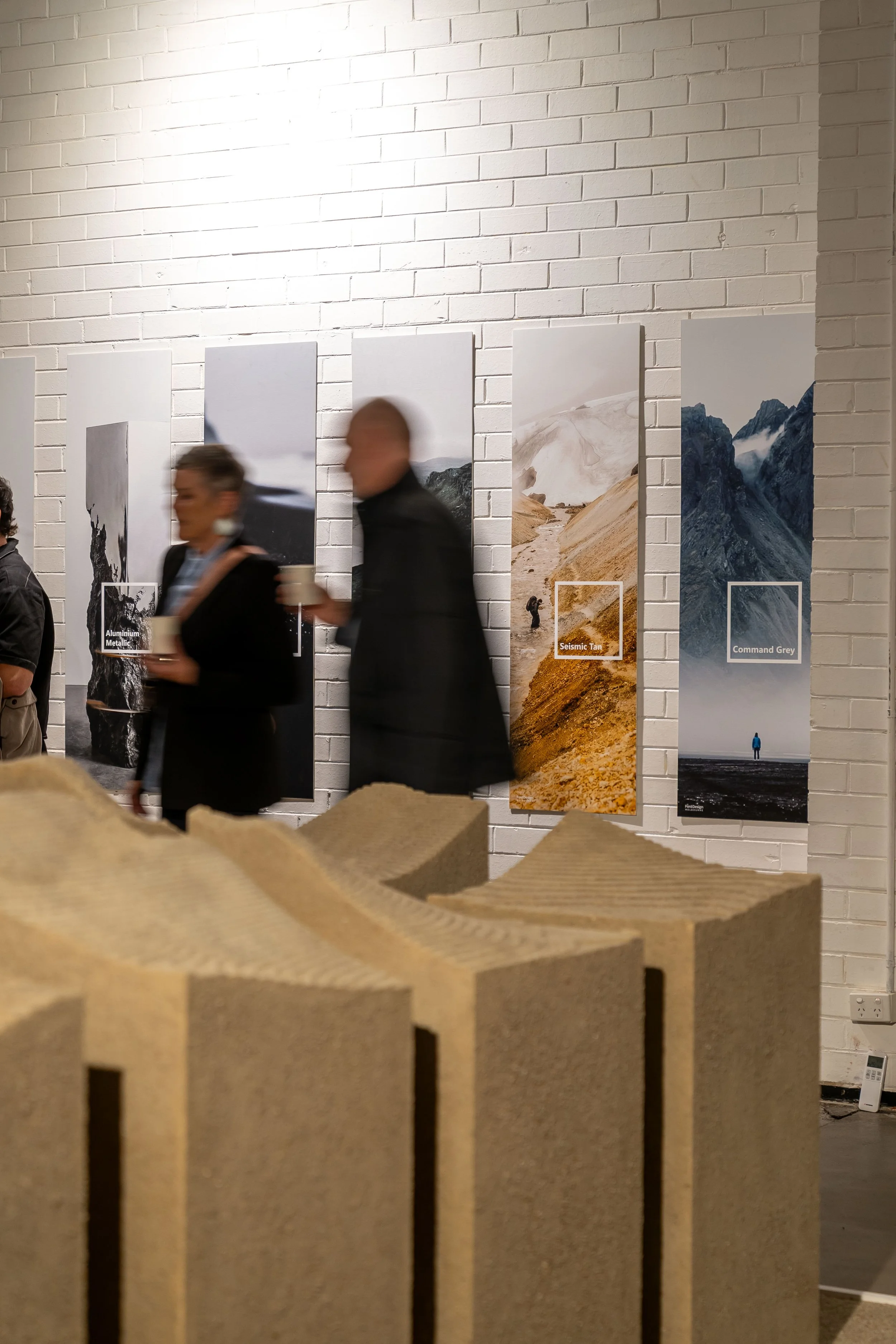
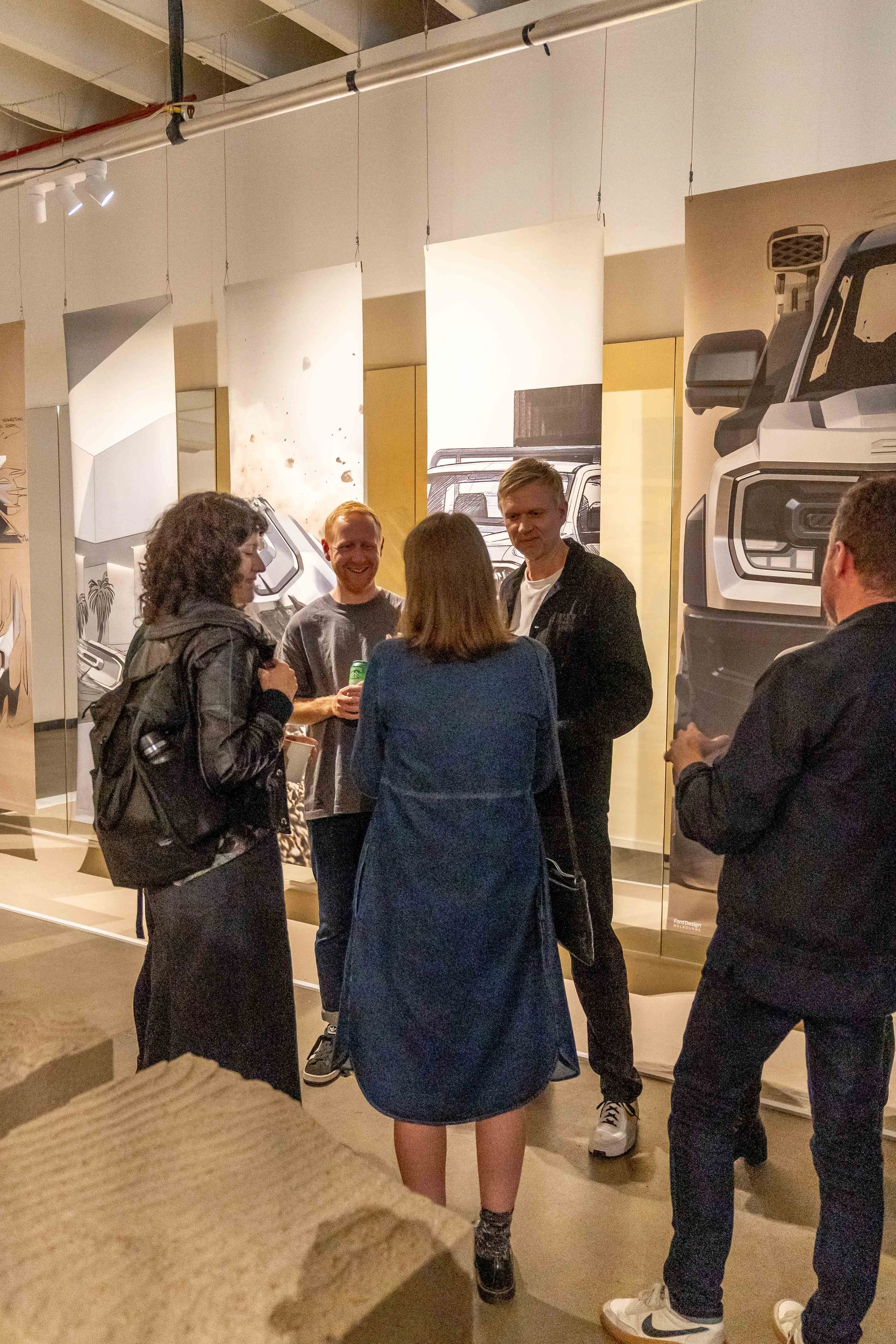
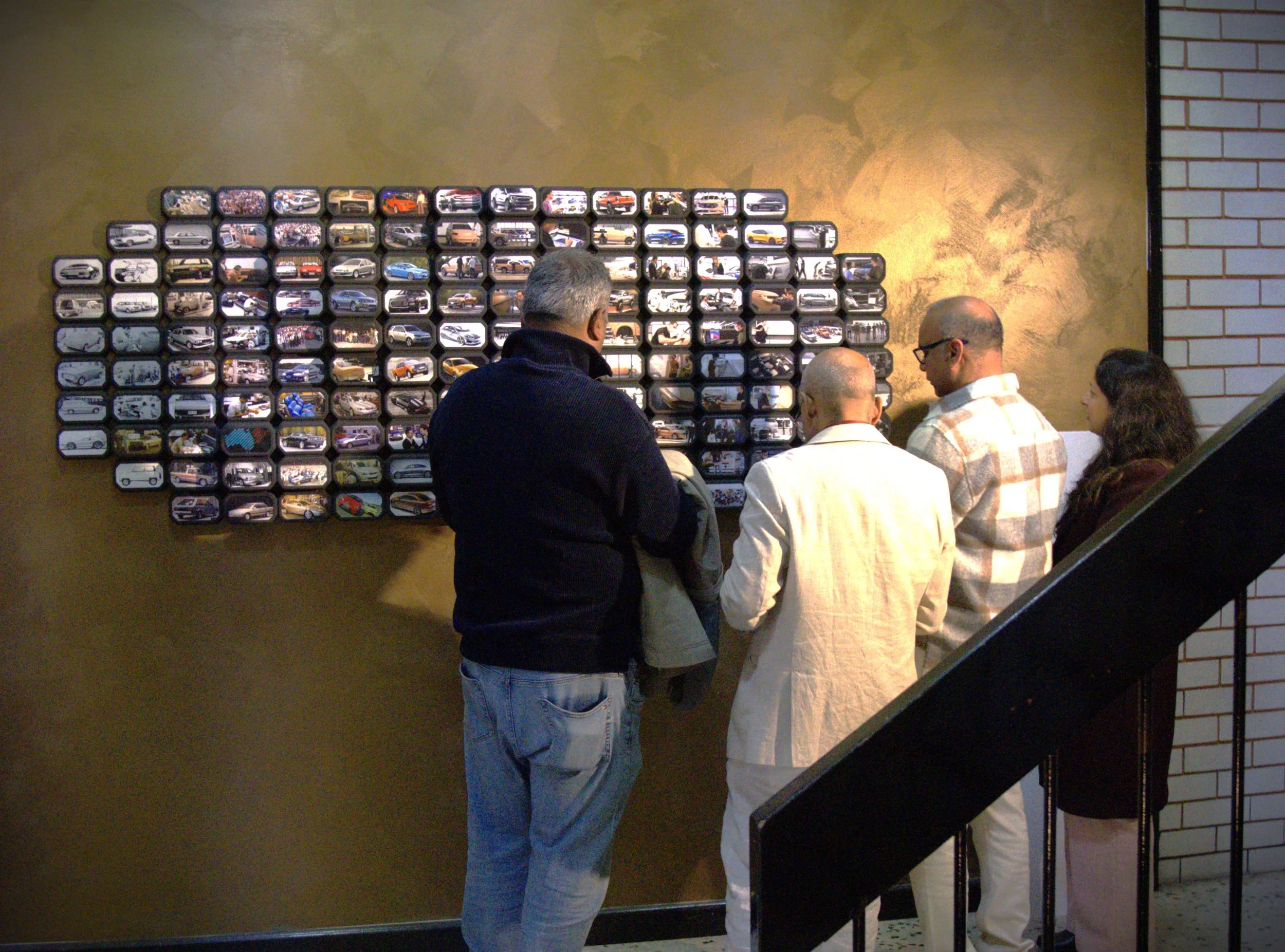
Exhibition content.
Synthesis
of
Surface
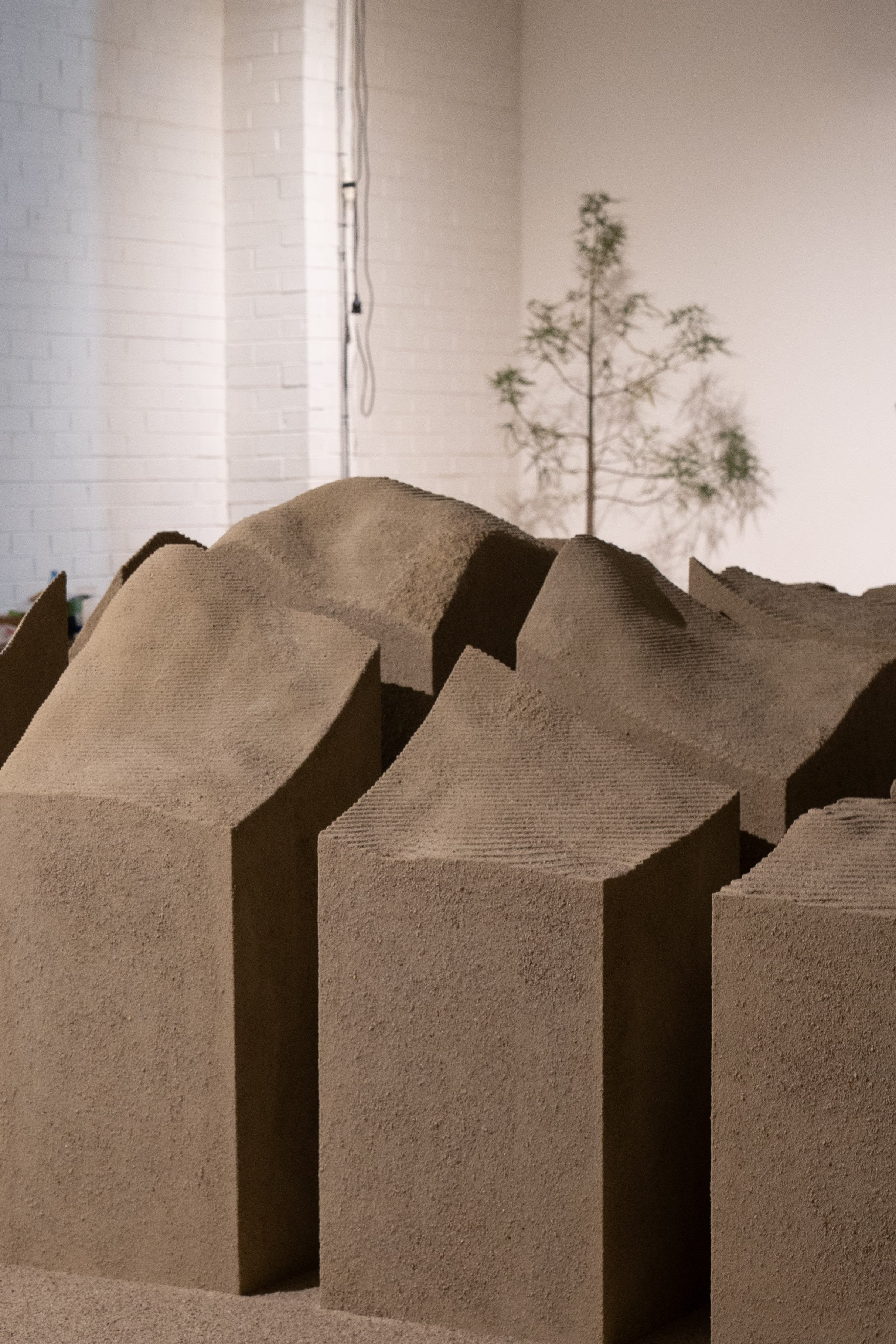
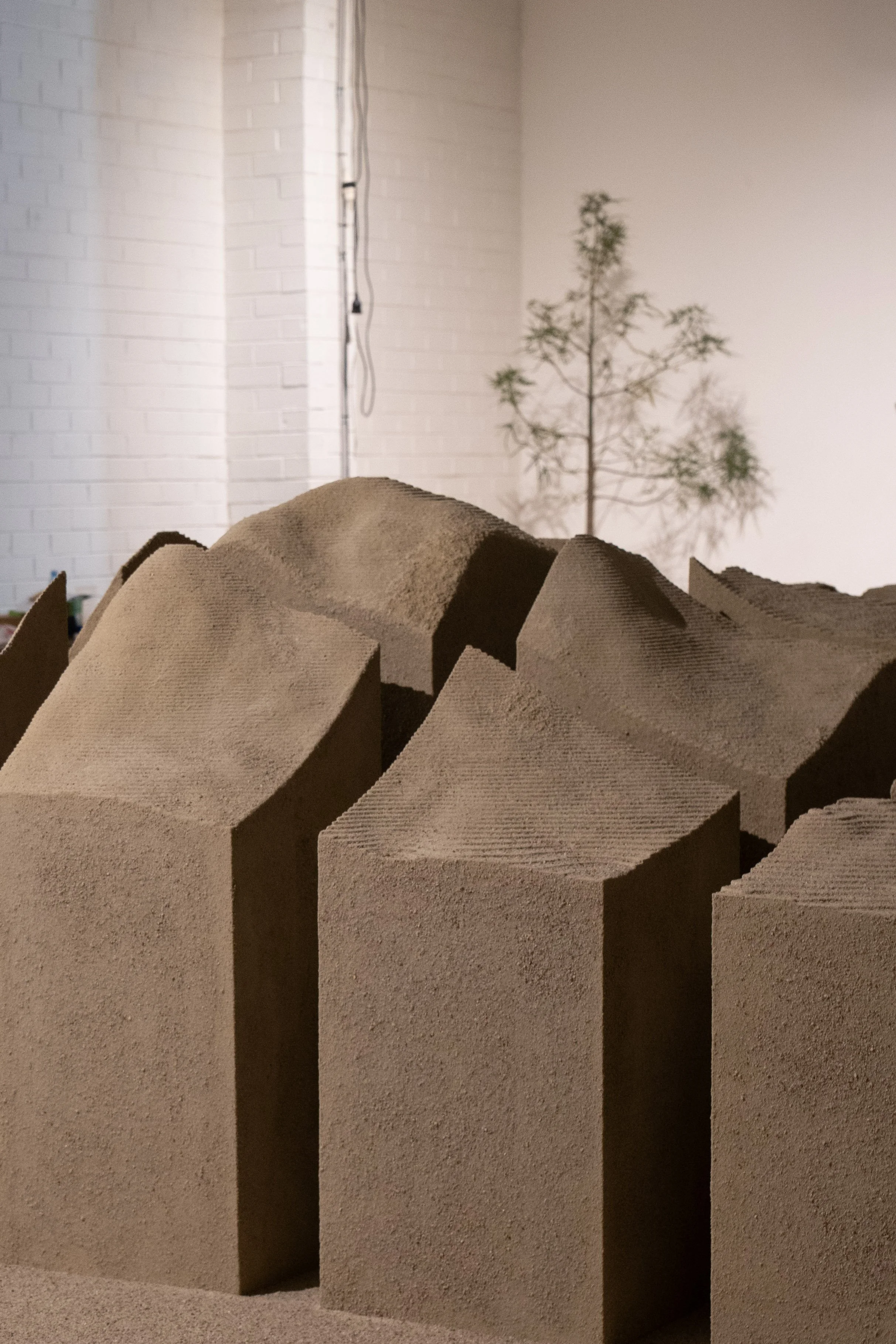
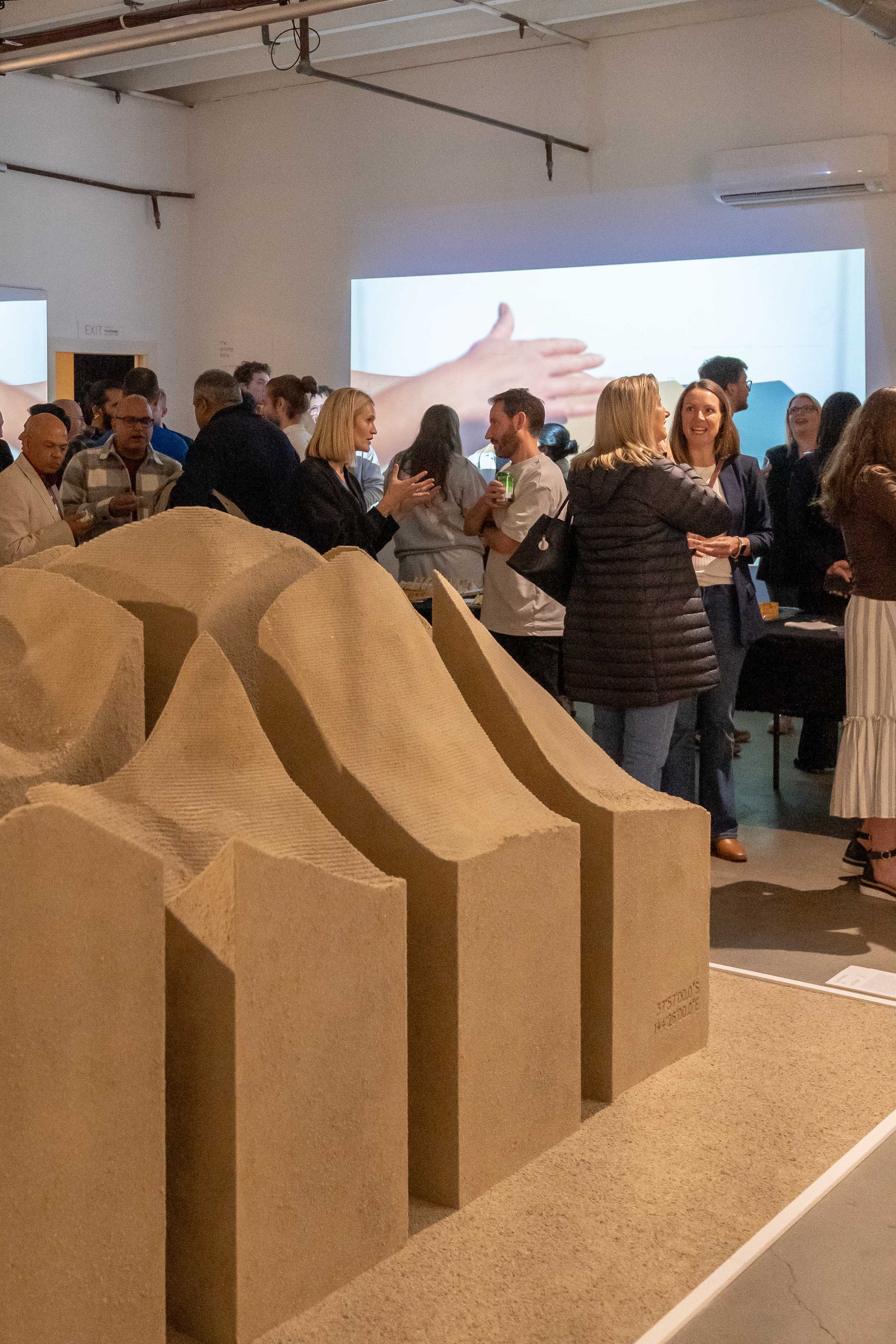
A terrain held in stillness, this work rises as a grid of blocks, echoing the You Yangs and the proving ground where the Ranger Super Duty was shaped through testing, endurance, and purpose. It carries the memory of the earth in its form, while colours, materials, and finishes speak softly to the senses - grounded, tactile, and human - the place where it belongs. Across its surface, the raw language of milling remains visible, a direct trace of process and precision. In this piece, landscape and design thinking converge, revealing a beauty born not only from the creative mind, but from the honest marks of making.
From
the
earth
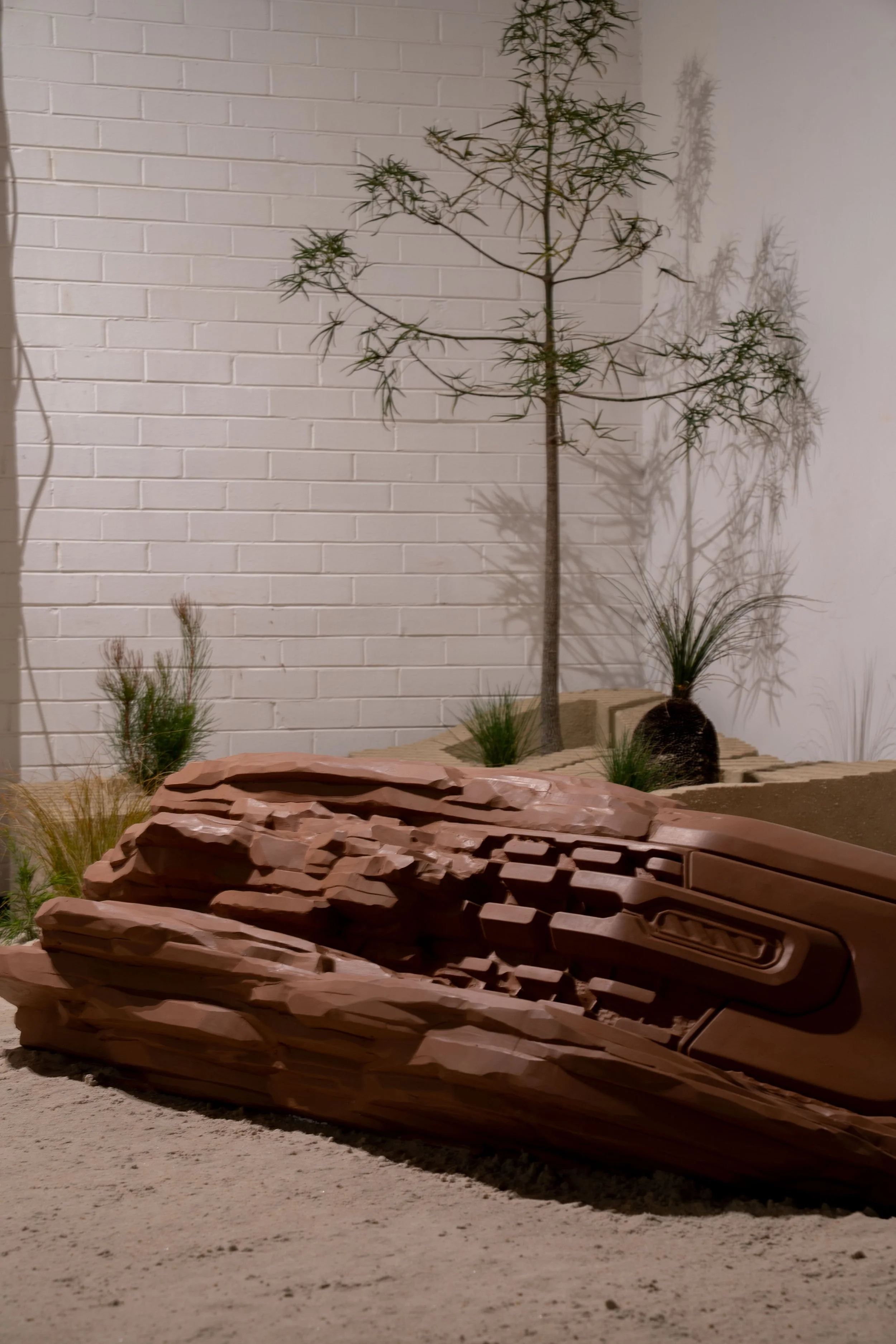
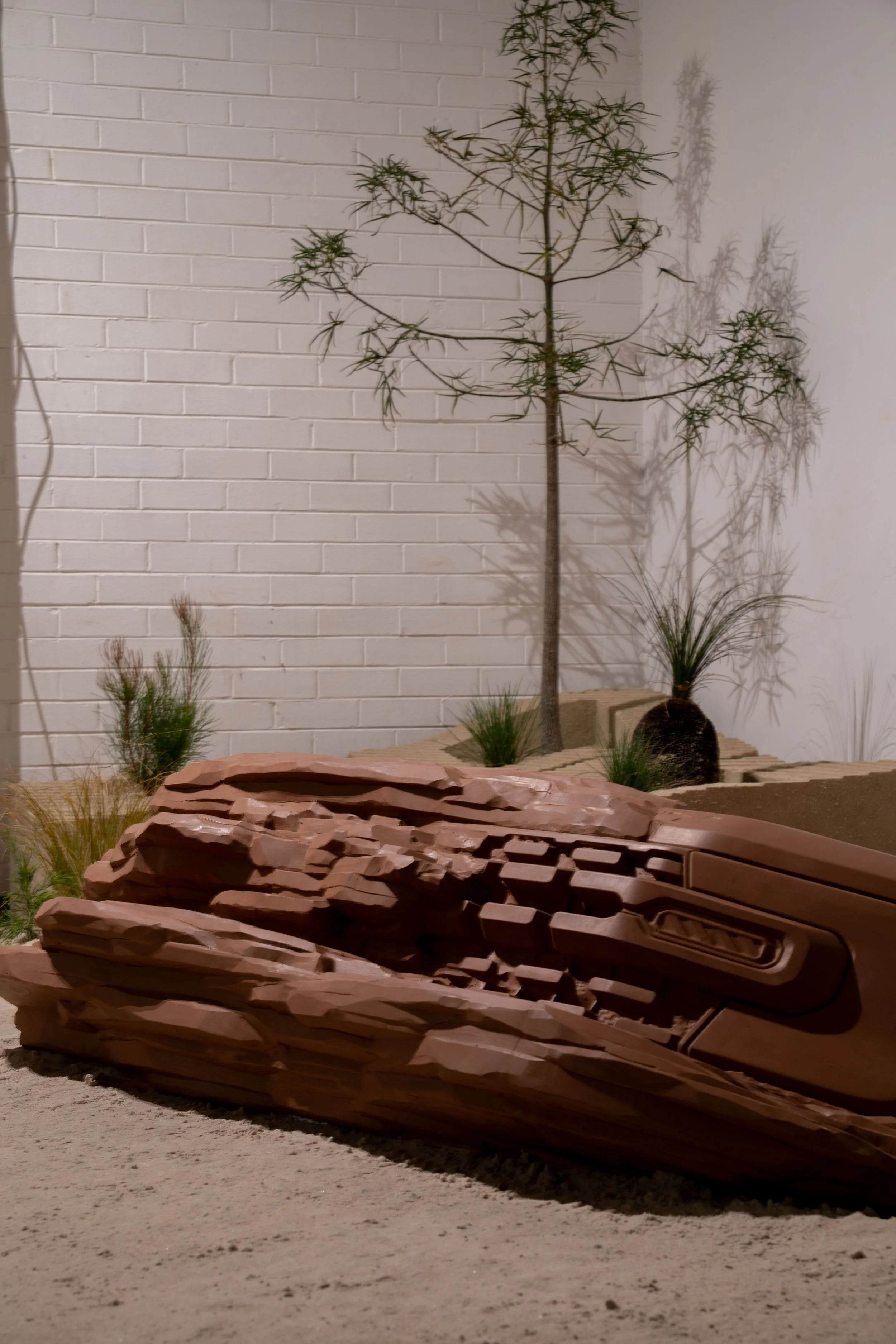
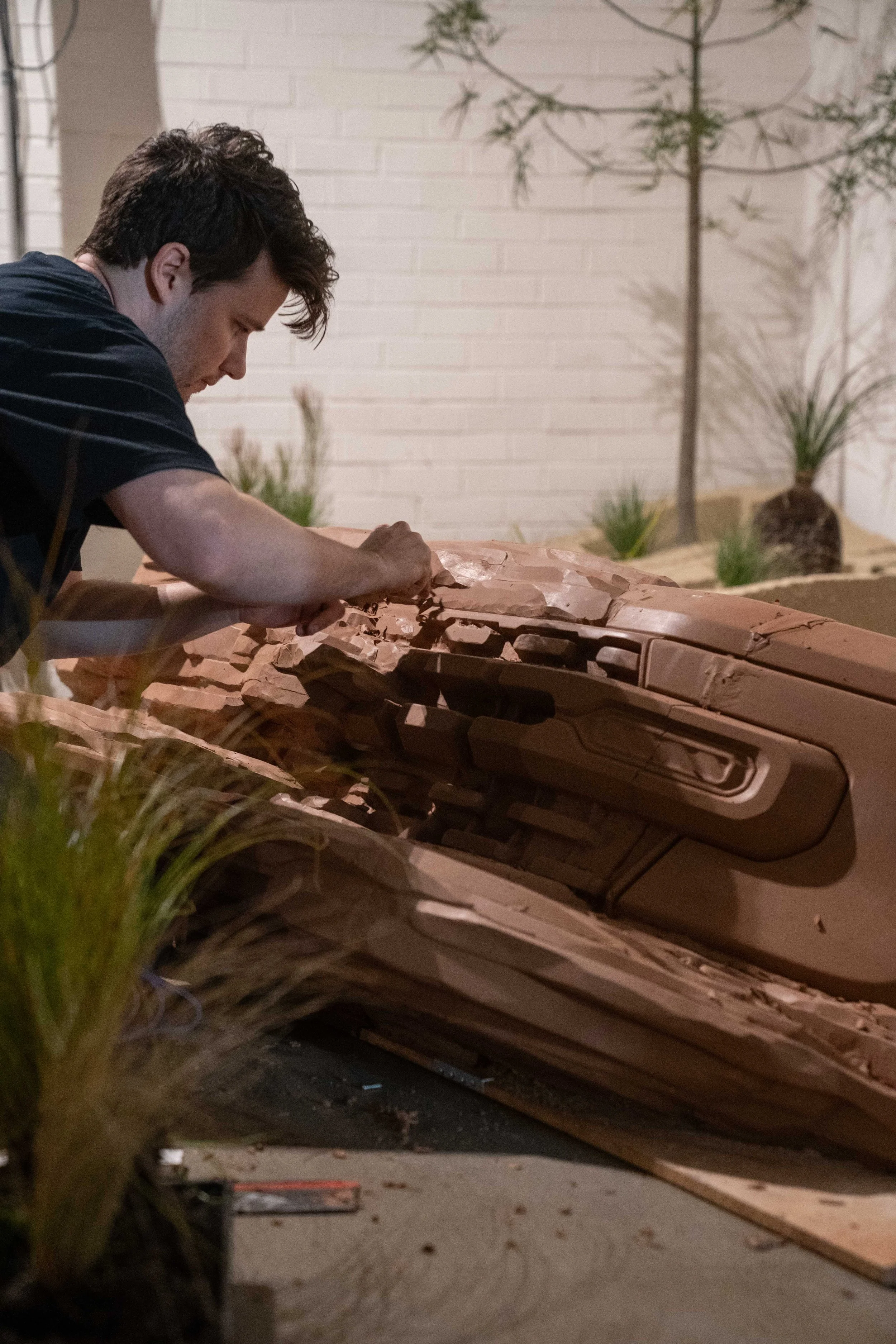
Rising from the Australian landscape, this sculptural work transforms the rugged terrain of the You Yangs into the evolving form of the Ranger Super Duty. Multiple rock-like forms emerge from the earth, shifting from geological mass into the geometry of the vehicle, revealing a journey shaped by place, craft, and imagination. Made in clay, the piece reflects the tactile discipline of sculpting, milling, and fabrication — the hands-on prototyping skills that bring design ideas into three-dimensional reality. Rooted in the land and driven by process, it stands as a quiet expression of transformation, where landscape becomes form and vision becomes object.
Evolution
in
process
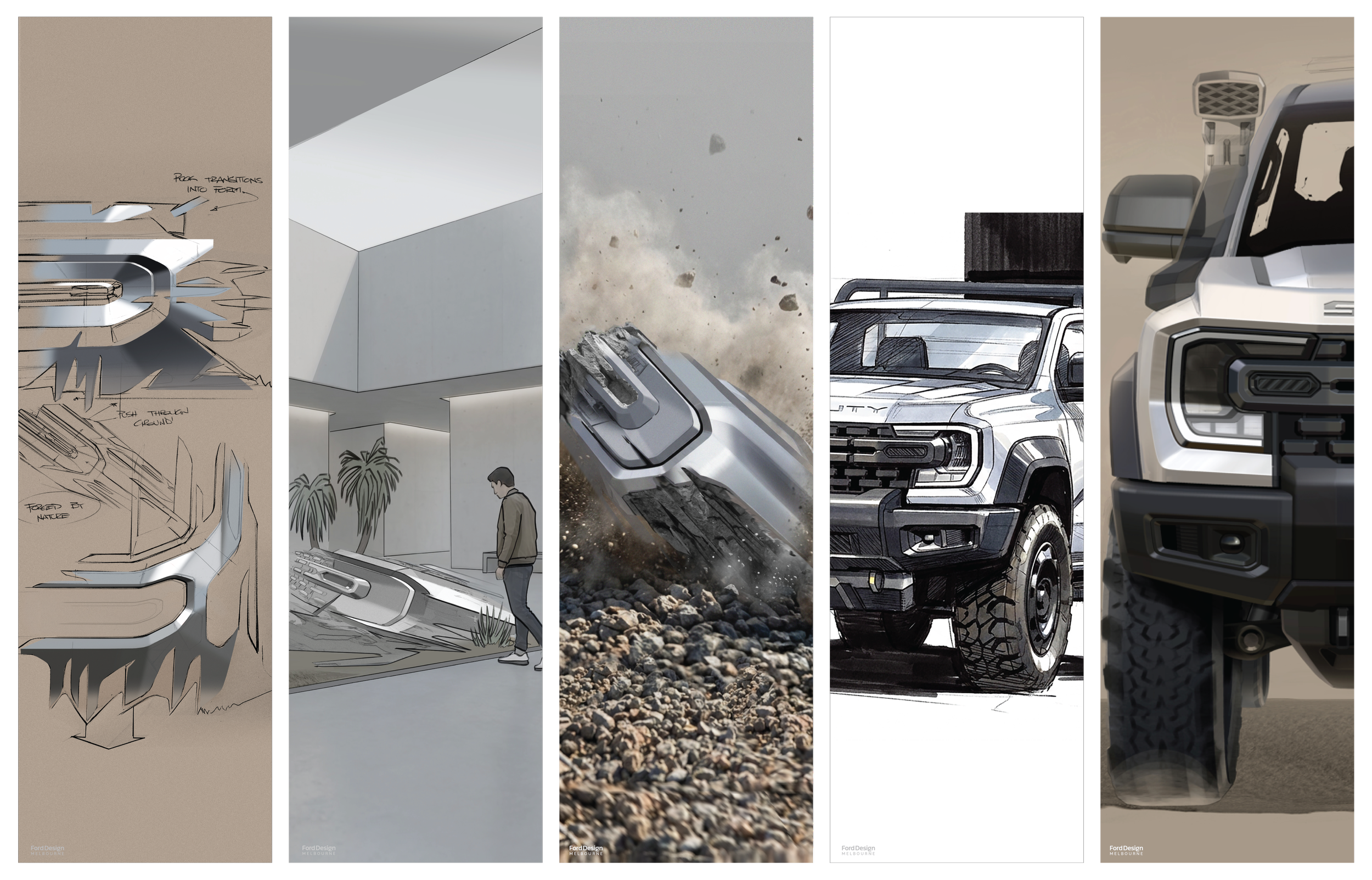
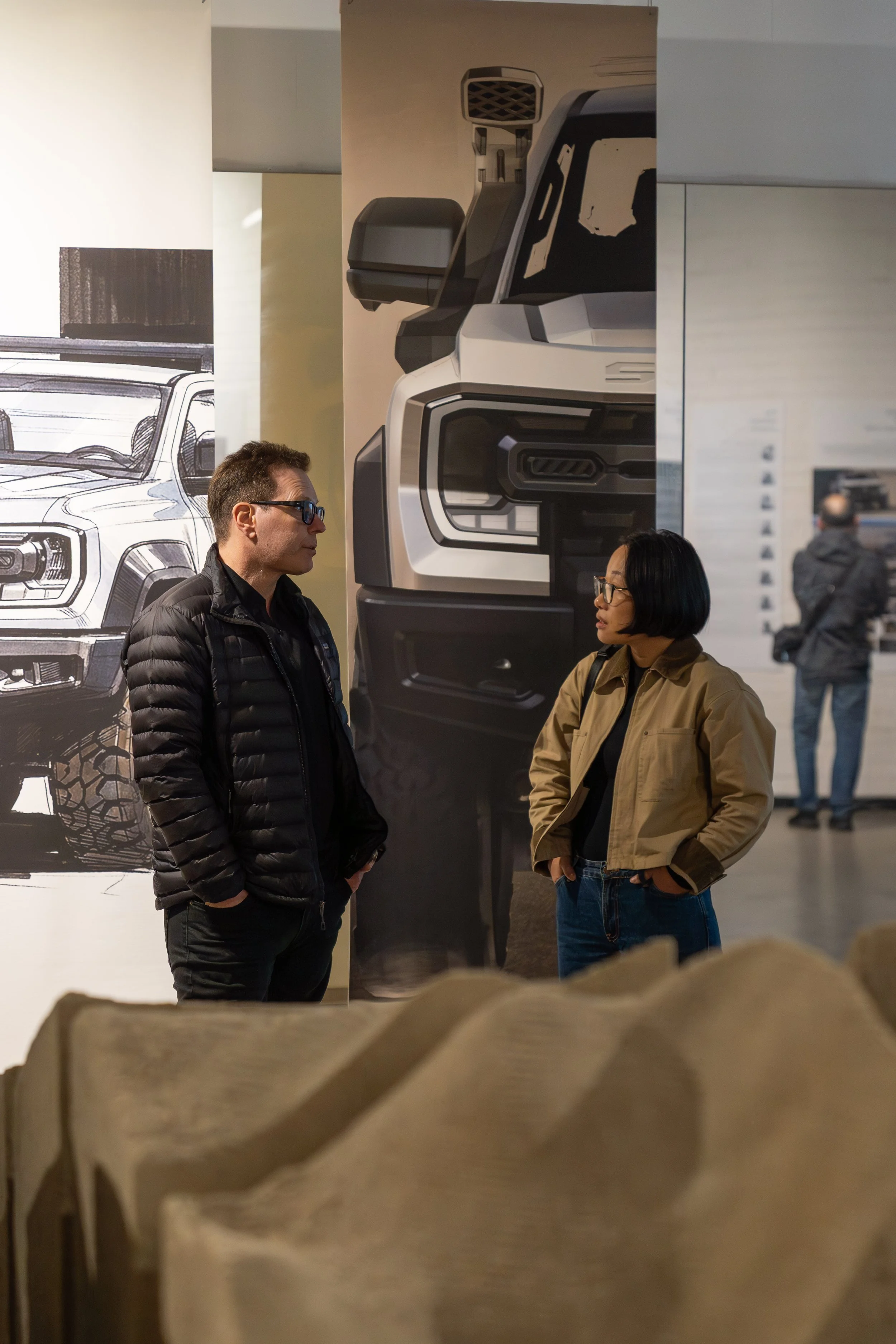
A visual study of becoming, this work traces the unfolding of an idea through sketch and 2D form, where instinct meets intention and concept begins to take shape. From loose, searching lines to resolved, high-end renderings, it reveals the quiet discipline of design in motion — a process of refinement, clarity, and emergence. Here, imagination is not fixed, but forged through layers of thinking, making, and imagining forward.
Soundscape
of
creation
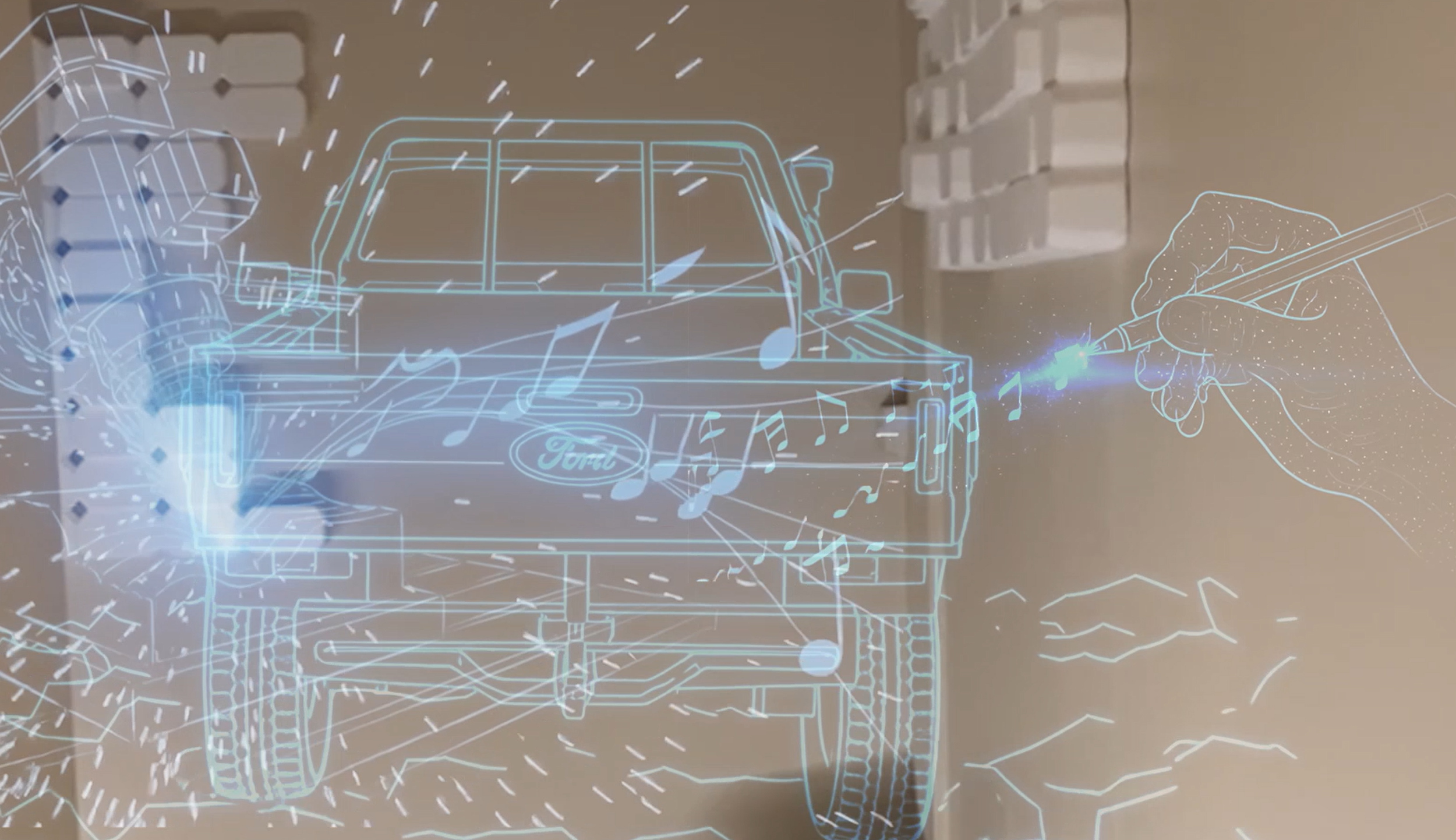
An immersive audio journey through the making of form, from the hum of machinery and the rhythm of hands at work to the ambient sounds of the landscape that inspired it. Capturing the daily pulse of the Ford Design Centre, the piece weaves together human craft, technology, industrial process, and the presence of nature — the terrain from which the Ranger Super Duty emerged. It concludes with the living sound of the vehicle in motion, alive in its natural habitat, where design, environment, and performance converge.
Legacy
and
legend
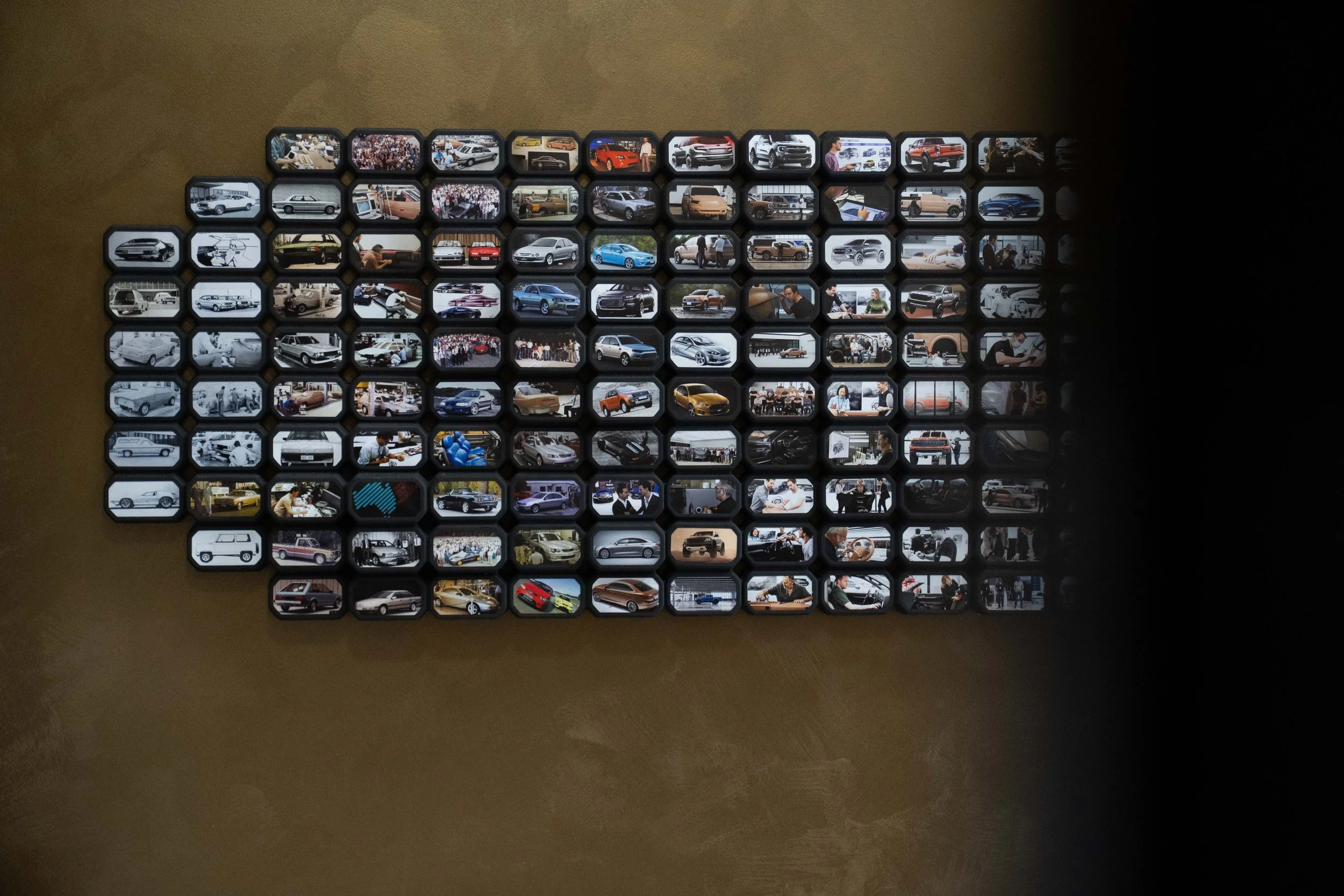
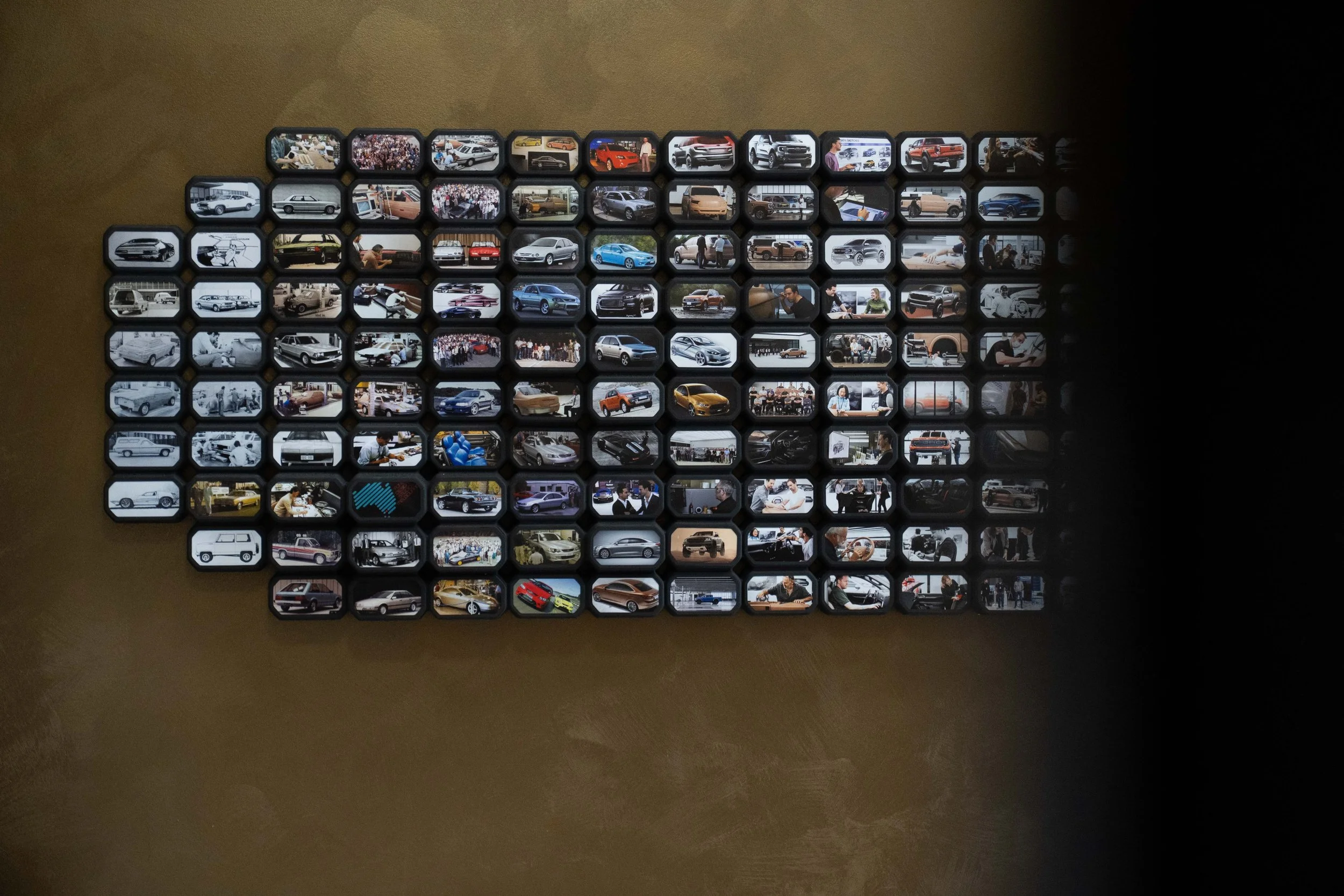
A form focussed tribute to Ford Design Melbourne, this work reflects the studio’s distinguished history as a place where vision, craft, and innovation have converged to shape vehicles of lasting significance. It honours the creative lives shaped within its walls, and the designs that have travelled beyond them to influence Australian and international mobility, quietly embedding themselves in the rhythms of daily life.
The piece honours Ford Design Melbourne as both a creative institution and a custodian of heritage — a place where excellence is not incidental, but foundational. It speaks to the enduring value of process, the calibre of the people behind the work, and the legacy of vehicles born from a deep commitment to design creativity. Historic and living, the work celebrates a legacy of contribution, influence, and distinction that continues to resonate far beyond the studio itself.
Crafted
by
Hand
An intimate interactive video, this piece places the hands of the Ford Ranger Super Duty’s makers at its centre, capturing the movement, vision, and care that shape design into reality. Through each gesture, the work reveals the human presence behind the process — the touch, rhythm, and intent of the design centre where ideas are lived, loved, and made. In contrast, the polished surfaces within the building meet the raw beauty of the surrounding land, creating a quiet tension between landscape and refinement, craft and precision. Together, these layers reflect the essence of design as something profoundly human: thoughtful, tactile, and alive.
Legacy
and
legend
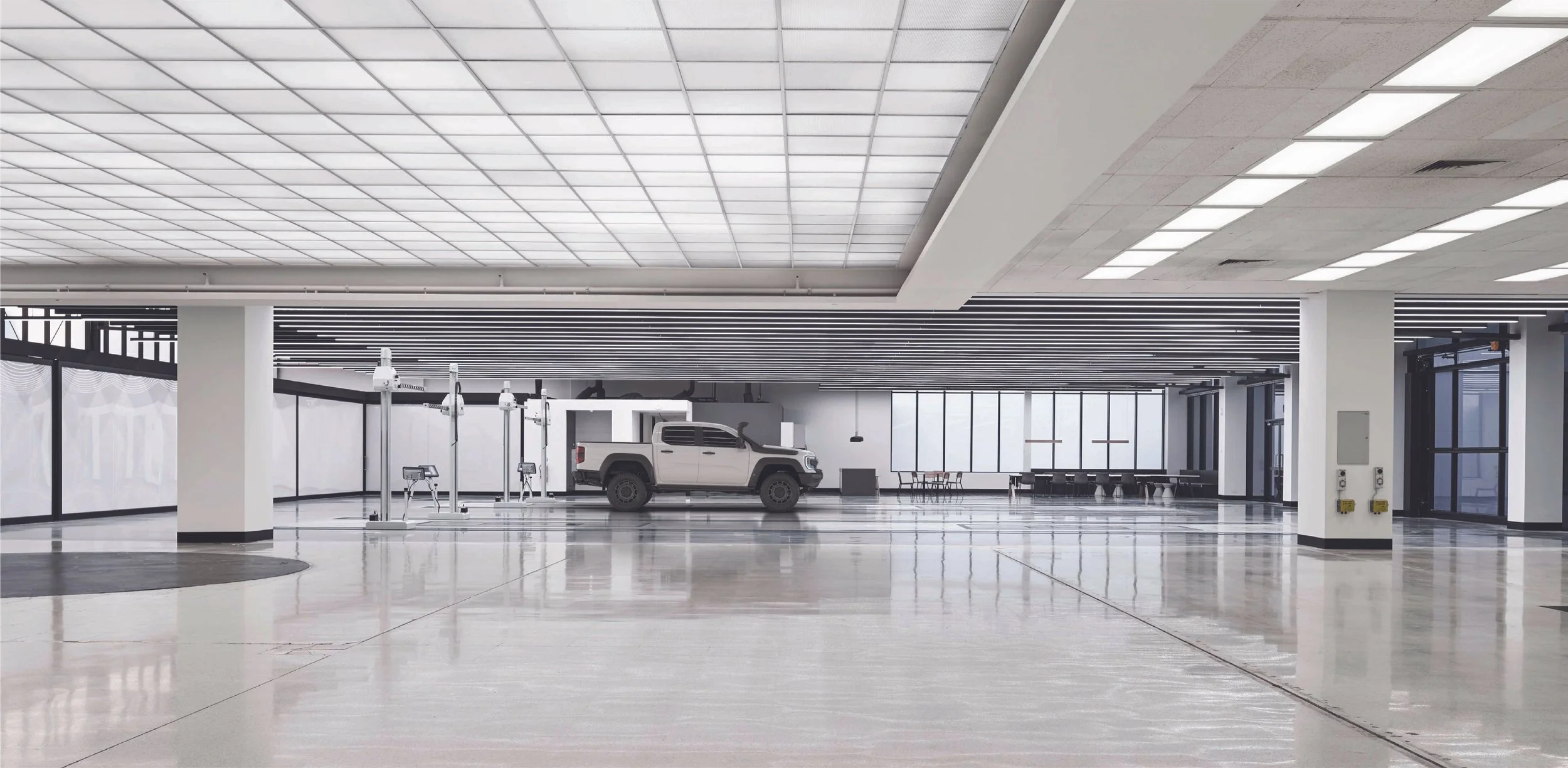
The Ford Design Centre at Campbellfield, situated on the northern outskirts of Melbourne. It holds a distinguished place in the history of global automotive design. Evolving from Ford Australia's early manufacturing capabilities, the centre has transformed from a regional design hub into a critical component of Ford's worldwide product development network, consistently producing iconic vehicles and fostering leading design talent.
Early Foundations and Emergence of Local Design (Pre-1970s)
Ford's presence in Australia dates back to 1925 with the establishment of Ford Motor Company of Australia. Initially focused on assembling vehicles from imported kits, the company gradually developed local manufacturing capabilities. The Broadmeadows Assembly Plant, established in 1959, marked a significant transition, allowing Ford Australia to move from simply importing and assembling to full car manufacturing, beginning with the Falcon XK in 1960. Even before the formal establishment of a dedicated design centre, Australian ingenuity contributed significantly, exemplified by the design of the world's first coupe utility vehicle in 1934. In 1970, Ford Australia established its own design centre, laying the groundwork for future innovation.
The Golden Era of Australian Design (1970s - 2016)
The design studio at Campbellfield has been in continuous operation since the early 1970s. This period marked its prolific output of vehicles specifically tailored for the Australian market and beyond. It served as the birthplace for every Ford Falcon produced since the 1970s, with Falcons from 1972 onwards being fully Australian designed. Beyond the Falcon, the studio was responsible for the design of other significant models, including the Ford Territory SUV and the current generations of the globally successful Ford Ranger ute and Everest four-wheel-drive. At its peak, the broader Broadmeadows manufacturing facility was a substantial operation, employing over 2,000 workers.
A Pivotal Shift: Beyond Local Manufacturing and Strategic Reorientation (2016 Onwards)
Despite the manufacturing closures, Ford significantly increased its design and engineering workforce in Australia. At this time, Ford Australia was recognised as one of Ford's five global product development centres, underscoring its strategic importance.
Ford demonstrated its commitment to the Melbourne Design Centre through substantial investment. In late 2018, a significant $12 million renovation and expansion of the design studio was completed. This extensive overhaul, which followed a minor makeover in 2012, was designed to secure the centre's future for at least another decade. The renovation doubled the studio's footprint to 2300 square meters and introduced state-of-the-art facilities, including 100 new workstations, an extended clay modeling workshop, and a new five-axis gantry milling centre. This additional milling capacity is crucial for bridging the gap between digital designs and physical models, enhancing the speed and precision of the design process. An expanded, secure outdoor courtyard was also added to facilitate vehicle assessment under natural light.
The design centre's additional capacity enabled the team to expand their design footprint. During the development of the Ranger and Everest products, the team also designed and developed vehicles for China including the Mondeo, Evos and Edge. The latest design the studio completed is the Ranger Super Duty, ready to hit the roads and terrain in 2026.
Today, the Campbellfield facility operates as a pivotal global design hub. Its team is now primarily focused on developing vehicles for international markets. It also regularly contributes to global sketching programs, having an influence on the many vehicles in the Ford global line-up. The centre remains a vital pathway for aspiring Australian talent, continuing to recruit graduates from Australian universities. The calibre of talent nurtured at Campbellfield is evident in the careers of individuals like Todd Willing, who began his career at Ford Design Melbourne and was appointed Ford's Global Head of Design in 2024.
The Melbourne Design Centre at Campbellfield stands as a testament to Australia's enduring contribution to the global automotive industry. From its origins as a local design studio for iconic Australian vehicles like the Falcon and Territory, it has successfully navigated significant industry changes to emerge as a technologically advanced, globally integrated design and engineering hub. Its continued operation, marked by substantial investment and the cultivation of world-class talent, underscores its vital role in shaping the future of Ford's vehicle line-up worldwide.
DESIGN STUDIO DISCIPLINES: The many skills involved in creating our future.
Creative Design: Shaping the vision

This is where the visual vision of every Ford is born. Our creative designers are the people who define our brand. By blending creative inspiration with Ford’s rich heritage, they create the "look and feel" that makes our vehicles stand out on the road and inspire our customers.
Human-Centered Design: Built around you

Where technology and experiences serve people, not the other way around. Our Human-Centered Design (HCD) team focuses on empathy and the "why" behind every feature and experience. By studying how people move, interact, and live, they ensure that every digital screen, physical button and user experience is intuitive and designed to make the customer be one with the vehicle.
CMF (Colour, Material and Finish): The art of the senses

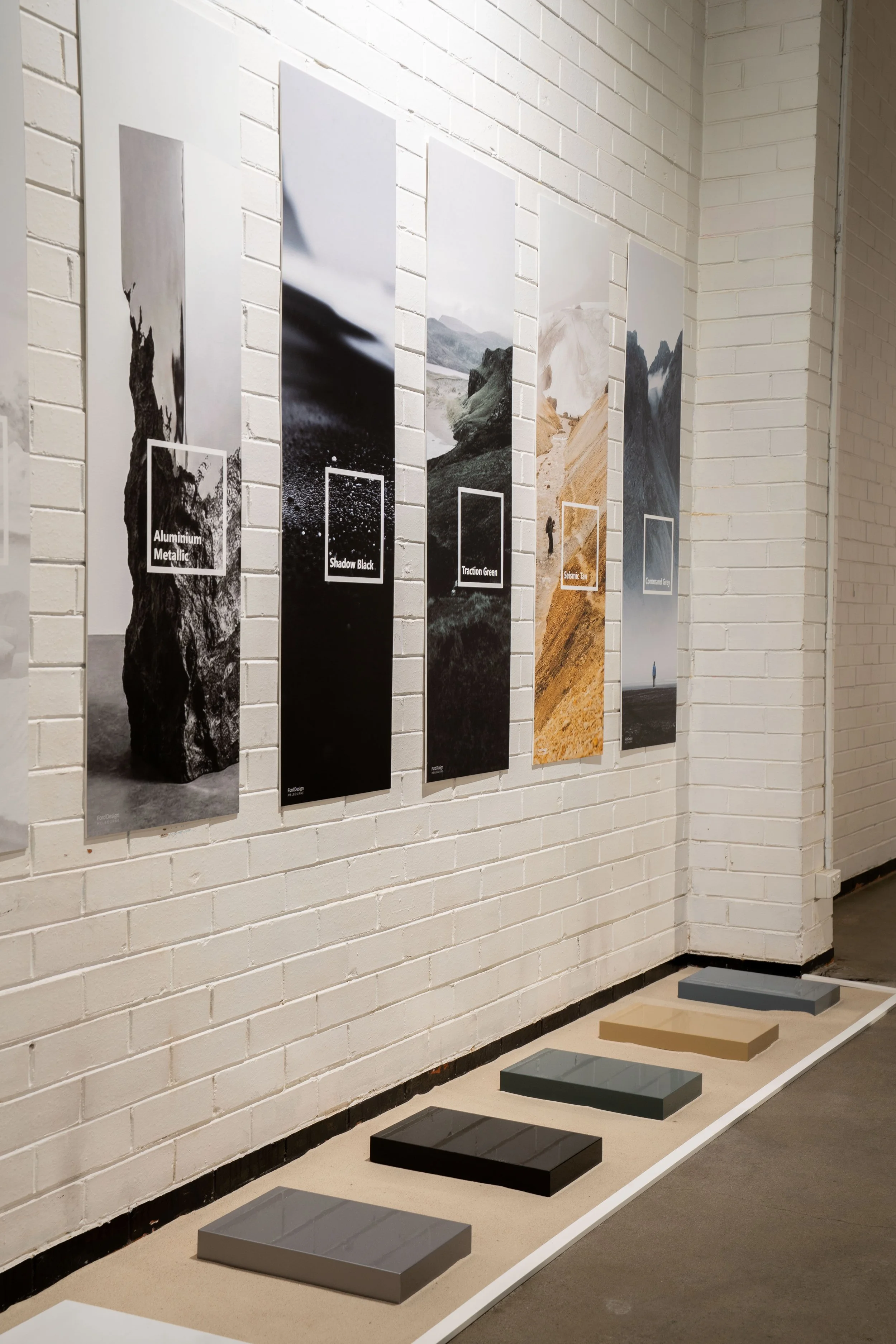
CMF is the team that defines the sensory experience of our vehicles. They are the experts in touch, sight, and sustainability. From developing eco-friendly textiles to creating vibrant new paint colours and high-tech textures, the CMF team ensures that every surface you touch fits your experience, and is thoughtfully crafted.
Design Engineering: Making the dream real

Design Engineering is the bridge between a beautiful sketch and a road-ready reality. These experts work side-by-side with our designers to ensure that visionary designs are safe, functional, and ready for production. They solve the complexity of feasibility and manufacturing, ensuring that all the features work perfectly every time you get behind the wheel.
Visualisation: Seeing the future today

Using the same cutting-edge technology found in blockbuster movies and video games, our Visualisation team brings designs to life in the digital world. Through photorealistic renderings, animations and immersive Extended Reality (XR), they allow us to explore and refine a design long before it is physically built.
Digital Surfacing: The precision of form

Digital Surfacing is the art of digital sculpting. Our specialists take 2D drawings and transform them quickly into 3D concepts and refine them to precise 3D computer models. This mathematical "skin" of the vehicle is what ensures every line is formed with intent and every reflection is fluent, providing the high-quality finish of our vehicles.
Clay Modeling & Fabrication: The hand-crafted touch

Complimenting our high tech tools, there is no substitute for the human touch. Our master sculptors use physical clay to create full-scale models of our vehicles. By combining traditional hand-sculpting with scanning and milling techniques, we can evaluate a car’s proportions in the real world, ensuring it has a physical presence and character that we envision.
The Design Business Office: The studio’s engine

The Design Business Office is the strategic backbone that keeps our global studios functioning. They manage the logistics, planning, and resources that allow our creative teams to focus on innovation. By keeping our projects on track and on strategy, they ensure that the next generation of Ford vehicles moves from a spark of an idea to your driveway.
Links

Melbourne Design Week 2026
Contact
Please send any inquiries to the following email address:
fdesign1@ford.com